Commercial HVAC Maintenance Checklist Every Facility Manager Needs
Commercial HVAC Maintenance Checklist Every Facility Manager Needs
A single mechanical failure in a sprawling industrial complex or a busy office building can stall productivity, threaten sensitive equipment, and create an environment where employees and customers no longer want to be.
When the air stops moving or the cooling fails during a heatwave, the financial impact of that downtime often far exceeds the cost of the repair itself. Smart facility directors understand that the most effective way to manage a building is to stay ahead of the equipment life cycle rather than chasing repairs.
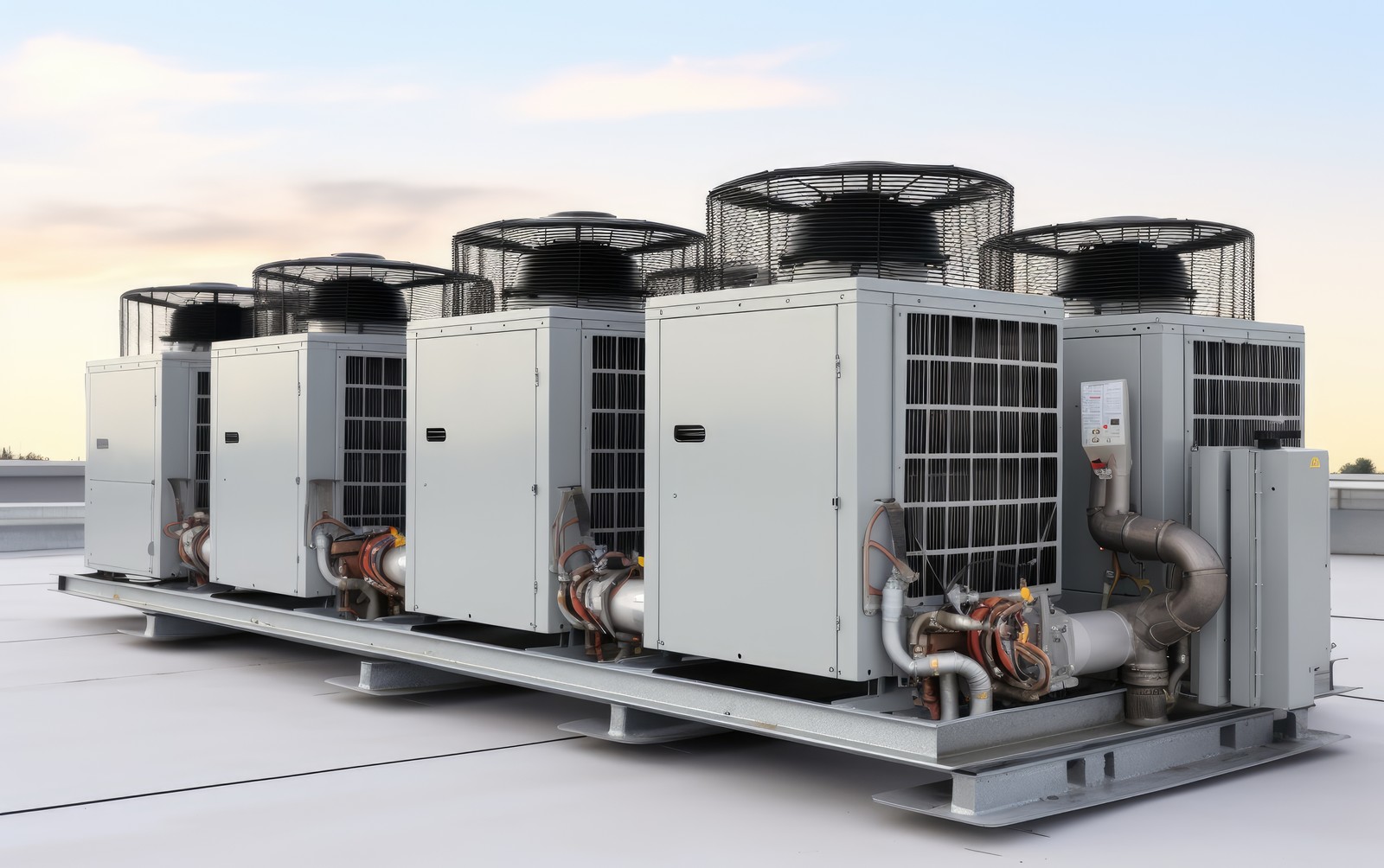
HVAC systems in commercial settings experience constant use, which makes them more susceptible to wear and tear. Regular HVAC maintenance commercial services can prevent expensive repairs and maintain good air quality, comfort, and energy efficiency. Accurate Air, Inc. recommends implementing preventative maintenance programs that keep systems running smoothly, reduce breakdowns, and ultimately prolong the life of your equipment.
Establishing a Routine
Facility managers often juggle a massive list of priorities, but the mechanical room deserves a spot at the top of that list. Establishing a rhythm for inspections ensures that your heating and cooling units do not become an afterthought.
Seasonal shifts bring the most significant stress to these systems, and the weeks leading up to summer and winter are the most vital times for a deep dive into the hardware. A rigorous look at the machinery helps in identifying airflow restrictions or electrical issues that might otherwise go unnoticed until the system is under maximum load.
Maintaining this level of oversight requires a blend of internal daily checks and specialized professional reviews. While your on-site team can monitor thermostats and general noise levels, the deep technical work involves measuring refrigerant charges and testing safety controls.
This balance of attention keeps the building breathing properly. We support these efforts by providing the technical depth required to handle the complexities of industrial-grade mechanical systems.
Air Quality and Filter Management
The quality of the air circulating through your hallways is directly tied to the state of your filtration system. Filters are the first line of defense against dust, allergens, and industrial byproducts that can clog coils and reduce the lifespan of a blower motor.
When filters remain in place for too long, they create resistance, forcing the entire system to work harder to move the same volume of air. This increased strain leads to higher utility bills and premature parts failure.
Beyond just swapping out old pleats for new ones, managers should evaluate if the current filtration level meets the specific needs of their industry. Medical facilities or manufacturing plants may require higher MERV ratings than a standard retail space. Regularly assessing these components keeps the internal environment healthy and prevents the buildup of debris on more expensive internal parts like evaporator coils.
Mechanical and Moving Parts
Within the cabinet of a commercial unit, hundreds of components must move with precision. Belts, pulleys, bearings, and motors are under constant physical stress.
Over time, belts can fray or lose tension, causing the system to lose efficiency or stop altogether. Lubrication of bearings is another small task that carries massive weight; a dry bearing can overheat and seize, potentially ruining a motor that costs thousands of dollars to replace.
Inspecting these moving parts allows a technician to feel for vibrations or listen for sounds that indicate a lack of alignment. Often, a simple adjustment to a belt or a few drops of high-quality lubricant can extend the life of a motor by several years.
Electrical Connections and Control Systems
Loose wiring or corroded contacts can lead to intermittent power surges or complete system shutdowns. During a thorough inspection, every terminal should be checked for tightness and every contactor should be evaluated for pitting or charring. Electrical failures can be fire hazards if left unaddressed in a high-voltage commercial setting.
Control systems, including the building automation software and local thermostats, must also be calibrated. If a sensor is reading the temperature incorrectly, the system might run for hours longer than necessary, wasting energy and wearing down the hardware. Verifying that the digital commands match the physical output of the unit is a vital step in the process.
Managing Condensate and Moisture Levels
Modern air conditioning and refrigeration processes produce a significant amount of moisture through condensation. This water must be channeled away from the building safely.
If condensate drains become clogged with algae or debris, the water can back up, leading to property damage, mold growth, and indoor air quality issues. In many cases, a clogged drain will trigger a safety switch that shuts the entire system down to prevent a flood.
Checking the pans and clearing the lines is a straightforward task that prevents massive headaches. In commercial environments, where units are often located on roofs or in hidden mechanical closets, a leak can go undetected for days, causing structural damage before it is finally spotted. Clearing these pathways is an easy win for any maintenance program.
Long-Term Benefits of HVAC Commercial Maintenance
Investing time in the mechanical room pays dividends in the form of lower energy consumption and fewer emergency calls. When a system is tuned to its peak performance, it uses the least amount of electricity possible to achieve the desired climate. This reduction in energy waste is a direct boost to the facility’s operating budget.
Furthermore, a well-maintained system maintains its value for a longer period, pushing back the need for expensive capital replacements. Consistent care also builds a historical record of the equipment’s performance. Having a log of past repairs and inspections helps managers predict when a unit might finally reach the end of its functional life, allowing for better budget planning.
Securing Your Mechanical Future
The most successful facilities are those where the mechanical systems fade into the background because they work perfectly every single day. If you want to avoid the stress of unexpected failures, it is time to prioritize your commercial HVAC service through a dedicated schedule of professional inspections.
Take action today to prevent the disasters of tomorrow. Reach out to our team to discuss how we can customize a support plan for your building and keep your operations running at peak performance.
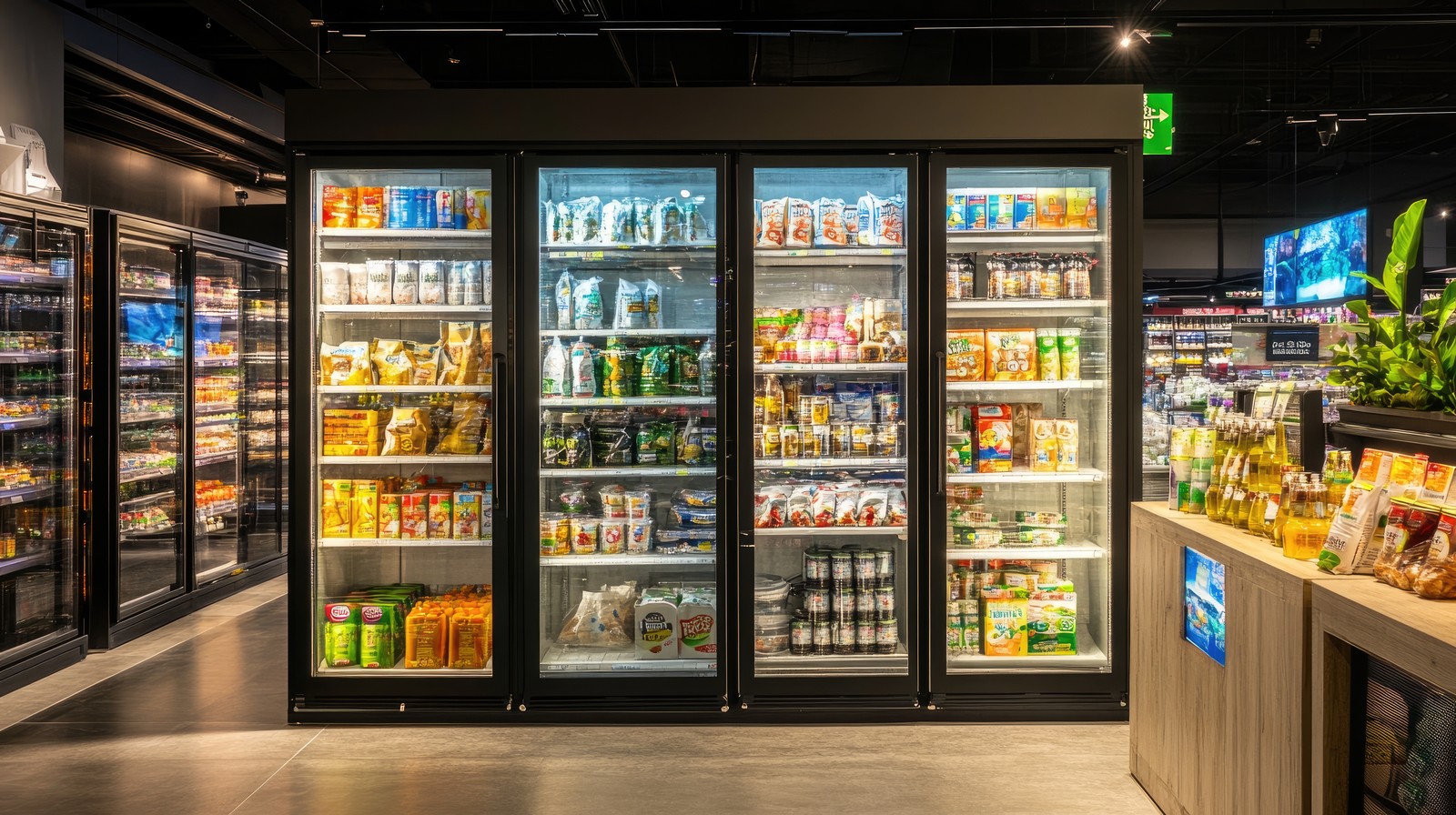
What Every Business Owner Should Know About Commercial Refrigeration Systems
Every restaurant, grocery store, and food service operation depends on dependable cold storage to protect inventory and stay compliant with health codes. A well-designed commercial refrigeration system does more than keep products cold. It protects revenue, prevents spoilage, and keeps daily operations moving without interruption. We work with business owners across New Hampshire and NorthernContinue reading "What Every Business Owner Should Know About Commercial Refrigeration Systems"
How To Calculate The Cost Of Your Commercial HVAC Unit
Budgeting for new equipment starts with understanding how a commercial HVAC cost calculator actually works and which factors influence the final number. Unlike a simple online tool that spits out a flat estimate, real commercial HVAC pricing depends on building size, equipment type, installation complexity, and local code requirements. We help business owners across NewContinue reading "How To Calculate The Cost Of Your Commercial HVAC Unit"
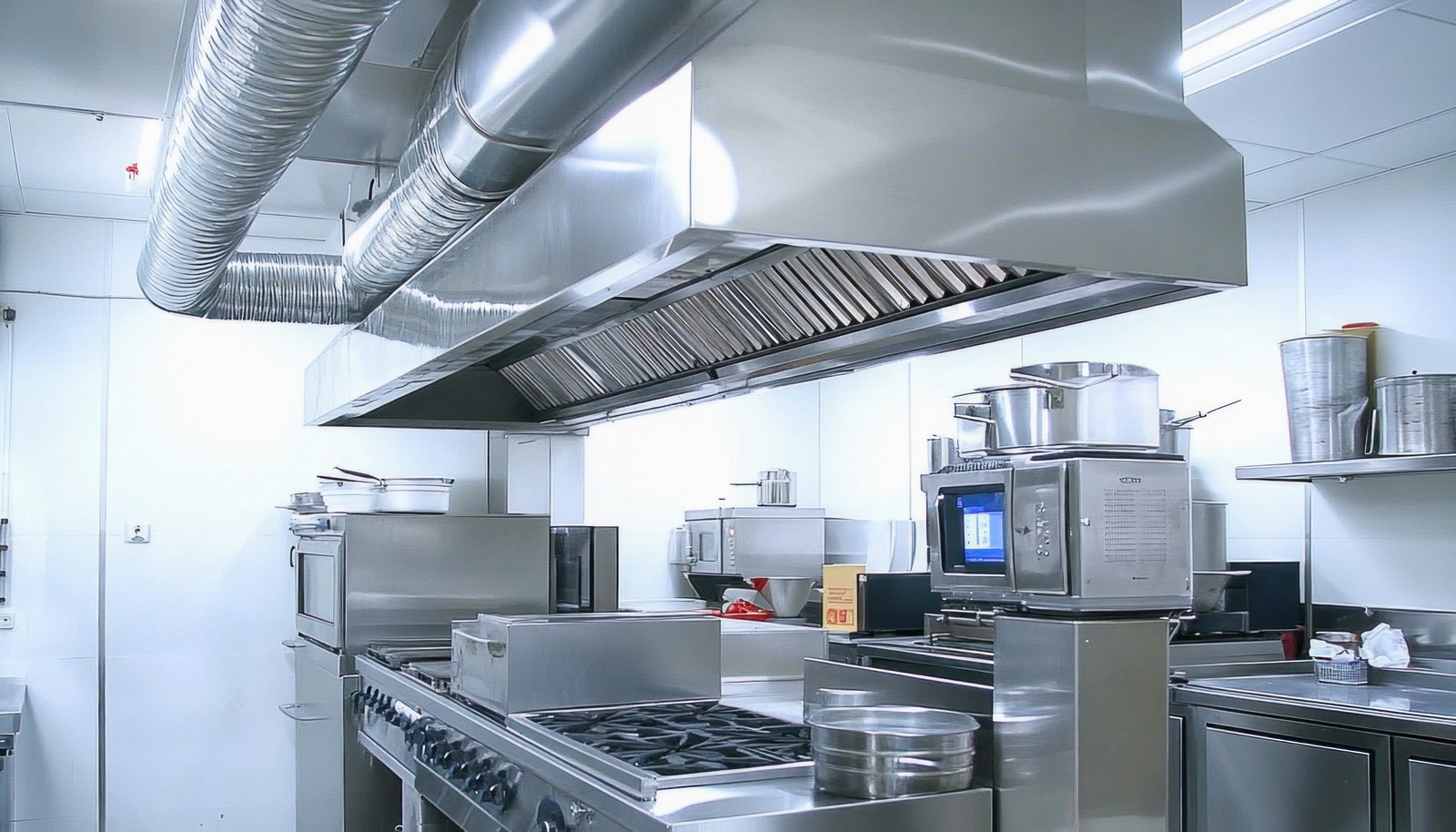
Guidelines For Designing An Efficient Commercial Kitchen HVAC System
A well-planned commercial kitchen HVAC design keeps staff comfortable, protects food safety, and prevents the heat, grease, and moisture generated during service from overwhelming a building’s air systems. Commercial kitchens present some of the most demanding HVAC challenges in any facility, combining high heat output, constant humidity, and strict ventilation codes that residential and evenContinue reading "Guidelines For Designing An Efficient Commercial Kitchen HVAC System"