4 Types Of Commercial Refrigeration For Businesses That Protect Inventory
4 Types Of Commercial Refrigeration For Businesses That Protect Inventory
Cold storage is more than a convenience for many businesses. It protects food, ingredients, medicine, samples, beverages, and other temperature-sensitive products. Choosing the right system can reduce waste and help daily operations run with fewer disruptions. The main types of commercial refrigeration each serve a different purpose, so the best fit depends on your space, inventory, and workflow.
Walk-In Coolers and Freezers
Walk-in coolers and freezers are common in restaurants, grocery stores, warehouses, and food service facilities. They give teams more room to store bulk inventory at steady temperatures. This makes them useful for businesses that move a high volume of products each day.
A walk-in cooler is usually used for chilled products. A walk-in freezer is made for frozen inventory. Both systems need strong temperature control, proper airflow, and regular HVAC maintenance. If doors, seals, coils, or fans are neglected, the system can lose efficiency fast.
These units are valuable when inventory loss would be costly. They also help organize stock and support better product rotation. For many commercial kitchens and storage facilities, they are a core part of the operation.
Reach-In Refrigerators and Freezers
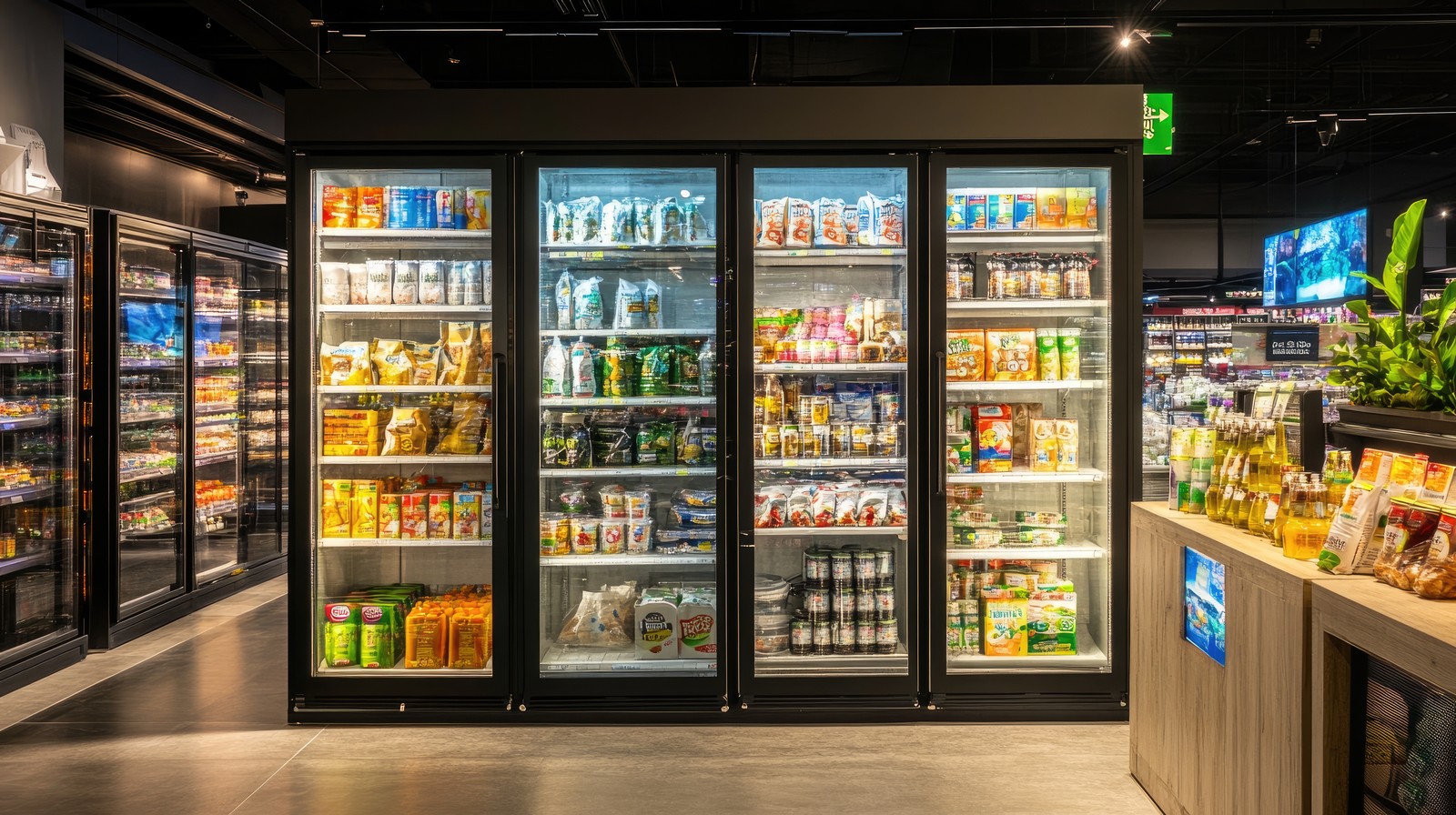
Reach-in units are smaller than walk-ins, but they are very practical. They are often used in kitchens, cafes, convenience stores, and prep areas. Staff can open the door, grab what they need, and keep moving.
These systems work well for products that must stay close to the work area. They also help reduce trips to larger storage rooms. That can save time during busy service periods.
Reach-in refrigerators and freezers come in different sizes. Some have one door, while others have two or three. The right choice depends on available space and how often the unit will be opened. Frequent door opening can raise the workload, so maintenance is still important.
Display Cases
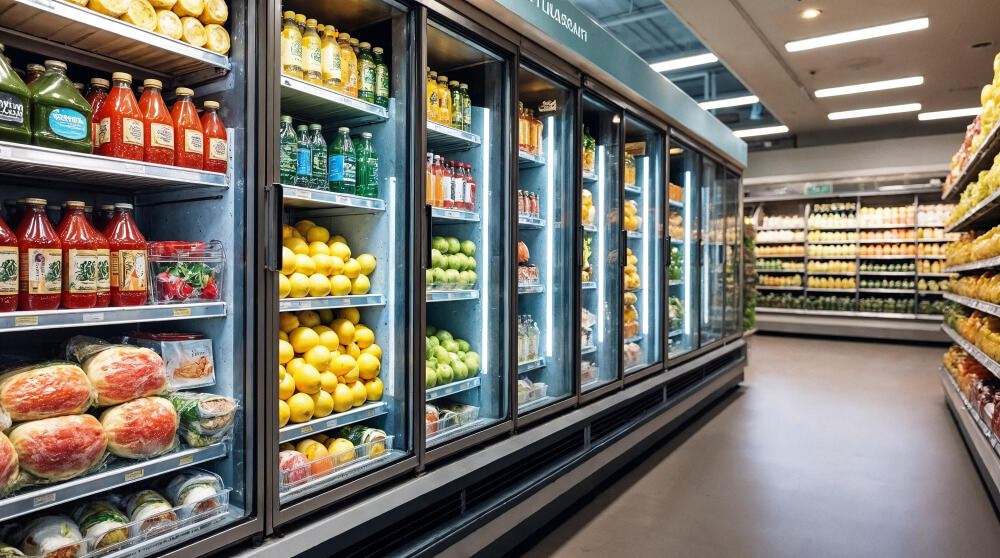
Display cases are built for both storage and presentation. They keep products cold while making them easy for customers to see. You can find them in supermarkets, bakeries, delis, cafes, and convenience stores.
Open cases, glass-door cases, and service cases all serve different needs. Some are made for drinks. Others are designed for meat, seafood, prepared meals, or desserts. The goal is to keep products at safe temperatures without hiding them from view.
A poorly performing display case can create serious problems. Products may look fine, but fail to stay at the right temperature. That can lead to waste, safety concerns, and lost sales. Clean coils, working fans, and accurate controls help these systems do their job.
Ice Machines and Specialty Refrigeration
Ice machines are another important part of commercial refrigeration. Restaurants, hotels, healthcare facilities, bars, and cafeterias often rely on them every day. When an ice machine fails, service can slow down quickly.
Specialty refrigeration covers equipment made for specific business needs. This may include lab refrigeration, product testing units, prep tables, undercounter coolers, and refrigerated storage for unique inventory. These systems need the right setup and service routine.
At Accurate Air, Inc., we work with commercial refrigeration systems that protect inventory and support business operations. Our team handles refrigeration service, repair, maintenance, and system planning for commercial and industrial spaces.
The right refrigeration setup can protect your products and reduce unexpected losses. If your system needs service or you are planning an upgrade, contact us to request a free estimate.
FAQs
What is commercial refrigeration used for?
Commercial refrigeration is used to keep food, drinks, medicine, samples, and other temperature-sensitive products at safe temperatures.
What is the difference between a walk-in cooler and a reach-in refrigerator?
A walk-in cooler stores bulk inventory, while a reach-in refrigerator keeps smaller amounts close to daily work areas.
Why is maintenance important for commercial refrigeration?
Maintenance helps control temperature, reduce energy waste, prevent spoilage, and catch small equipment issues early.
What Every Business Owner Should Know About Commercial Refrigeration Systems
Every restaurant, grocery store, and food service operation depends on dependable cold storage to protect inventory and stay compliant with health codes. A well-designed commercial refrigeration system does more than keep products cold. It protects revenue, prevents spoilage, and keeps daily operations moving without interruption. We work with business owners across New Hampshire and NorthernContinue reading "What Every Business Owner Should Know About Commercial Refrigeration Systems"
How To Calculate The Cost Of Your Commercial HVAC Unit
Budgeting for new equipment starts with understanding how a commercial HVAC cost calculator actually works and which factors influence the final number. Unlike a simple online tool that spits out a flat estimate, real commercial HVAC pricing depends on building size, equipment type, installation complexity, and local code requirements. We help business owners across NewContinue reading "How To Calculate The Cost Of Your Commercial HVAC Unit"
Guidelines For Designing An Efficient Commercial Kitchen HVAC System
A well-planned commercial kitchen HVAC design keeps staff comfortable, protects food safety, and prevents the heat, grease, and moisture generated during service from overwhelming a building’s air systems. Commercial kitchens present some of the most demanding HVAC challenges in any facility, combining high heat output, constant humidity, and strict ventilation codes that residential and evenContinue reading "Guidelines For Designing An Efficient Commercial Kitchen HVAC System"