The Difference Between Air Conditioning And Refrigeration
The Difference Between Air Conditioning And Refrigeration
When people hear the terms refrigeration and air conditioning, they often think both systems do the same job. That makes sense at first. Both move heat from one place to another, both use mechanical parts, and both help control temperature. Still, they are built for different goals. Air conditioning is mainly about comfort, airflow, and indoor conditions for people. Refrigeration is about keeping products, ingredients, materials, or equipment at a set temperature. In commercial buildings, that difference can affect system design, HVAC maintenance needs, energy use, and daily operations.
What Air Conditioning is Designed to Do
Air conditioning controls the temperature, humidity, and airflow inside a space where people work, shop, eat, or gather. In a commercial setting, that space could be an office, restaurant, dining room, retail store, warehouse, school, or medical facility. The main goal is to keep indoor areas comfortable and stable during normal business hours.
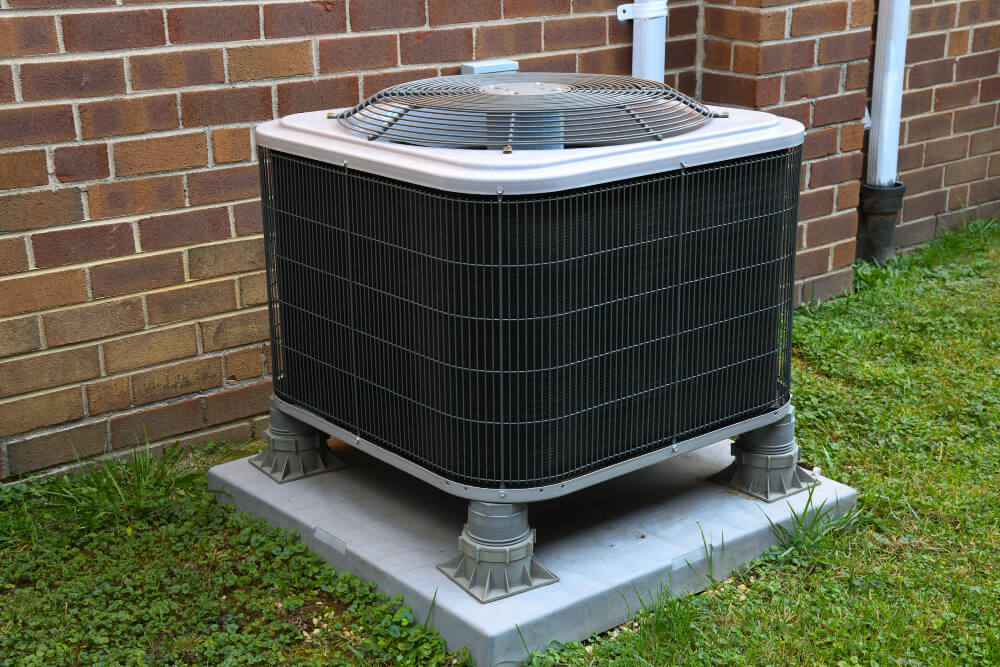
An air conditioning system removes heat from indoor air and releases it outside. As it runs, it also helps reduce humidity, which makes the space feel cooler and more comfortable. The system then sends conditioned air through vents, ductwork, or rooftop units so the building stays at a usable indoor temperature.
Comfort is only one part of the job. Commercial air conditioning also supports indoor air quality, equipment performance, and worker productivity. Poor airflow can make a building feel stuffy. Too much humidity can lead to moisture problems. Uneven cooling can create hot and cold areas that frustrate staff and customers.
That is why air conditioning work often includes more than installing a cooling unit. It can involve ductwork design, zoning, rooftop unit service, smart controls, filtration upgrades, and routine maintenance. Each piece helps the system match the size, layout, and use of the building.
What Refrigeration is Designed to Do
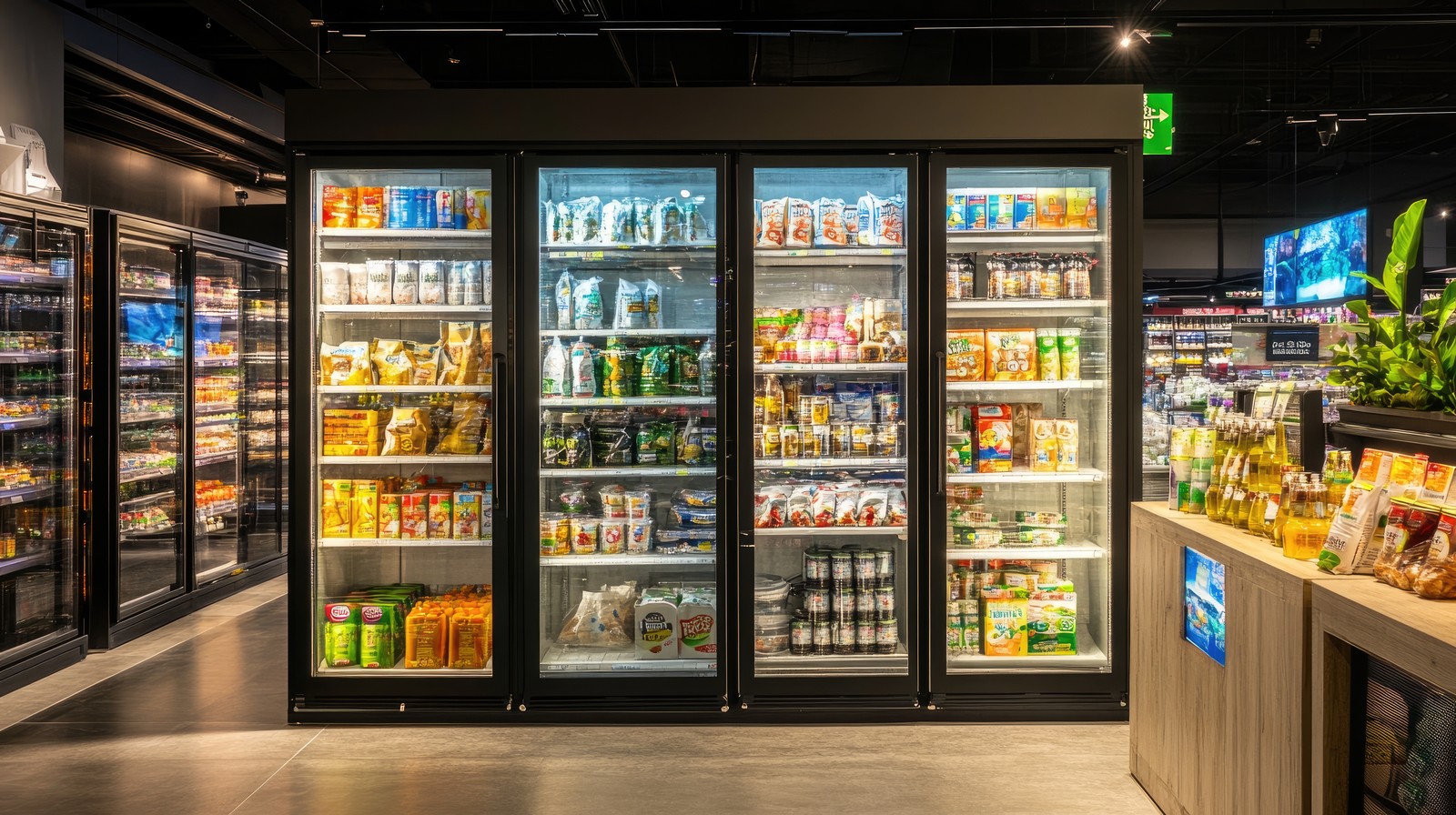
Refrigeration is built to hold products at lower and more exact temperatures. In commercial spaces, it protects food, beverages, medicine, chemicals, floral products, lab samples, and other items that can spoil or lose value when temperatures rise. A restaurant cooler, supermarket display case, ice machine, walk-in freezer, and cold storage room all depend on refrigeration.
The biggest difference is the level of temperature control. Air conditioning usually keeps a room comfortable for people. Refrigeration keeps goods within a tighter temperature range. That range can be above freezing, below freezing, or far colder based on the application.
This makes refrigeration service more sensitive in many businesses. If an office air conditioner fails, people may feel uncomfortable. If a walk-in cooler fails, inventory can be lost. A refrigeration issue can affect food safety, product quality, customer orders, and business revenue in a short time.
Refrigeration systems also run under different demands. Many units work around the clock. They may deal with frequent door openings, heavy product loads, moisture, frost buildup, and changing storage needs. Because of that, commercial refrigeration needs careful setup, regular inspection, proper refrigerant handling, and fast repair when warning signs appear.
How the Cooling Process is Similar
Even though these systems serve different purposes, the basic cooling process is similar. Both use refrigerant, coils, compressors, and heat transfer. In simple terms, the system absorbs heat from one area and moves it somewhere else.
In an air conditioning system, heat is taken from indoor air. In a refrigeration system, heat is taken from an enclosed case, cooler, freezer, or storage area. The refrigerant carries that heat through the system, then releases it outside the cooled space.
This shared process is why the two fields are often discussed together. Technicians who work with refrigeration and air conditioning need to understand pressure, airflow, refrigerant charge, electrical parts, controls, and system load. Still, similar parts do not mean the systems can be treated the same way.
The settings, operating conditions, and performance goals are different. A commercial freezer has different demands than a rooftop air conditioning unit. A supermarket case has different airflow needs than an office conference room. Good service starts with knowing the purpose of the system first.
How the Systems are Different in Daily Use
The main difference comes down to what each system protects. Air conditioning protects comfort inside the building. Refrigeration protects the items stored inside a cooler, freezer, case, or process area. That changes how each system is sized, installed, monitored, and repaired.
A commercial air conditioning system usually responds to room temperature, building load, sunlight, occupancy, and airflow. It may run harder during hot afternoons or during busy hours. Refrigeration equipment often works all day and night. It must hold steady temperatures even when doors open, products are restocked, or the surrounding room gets warmer.
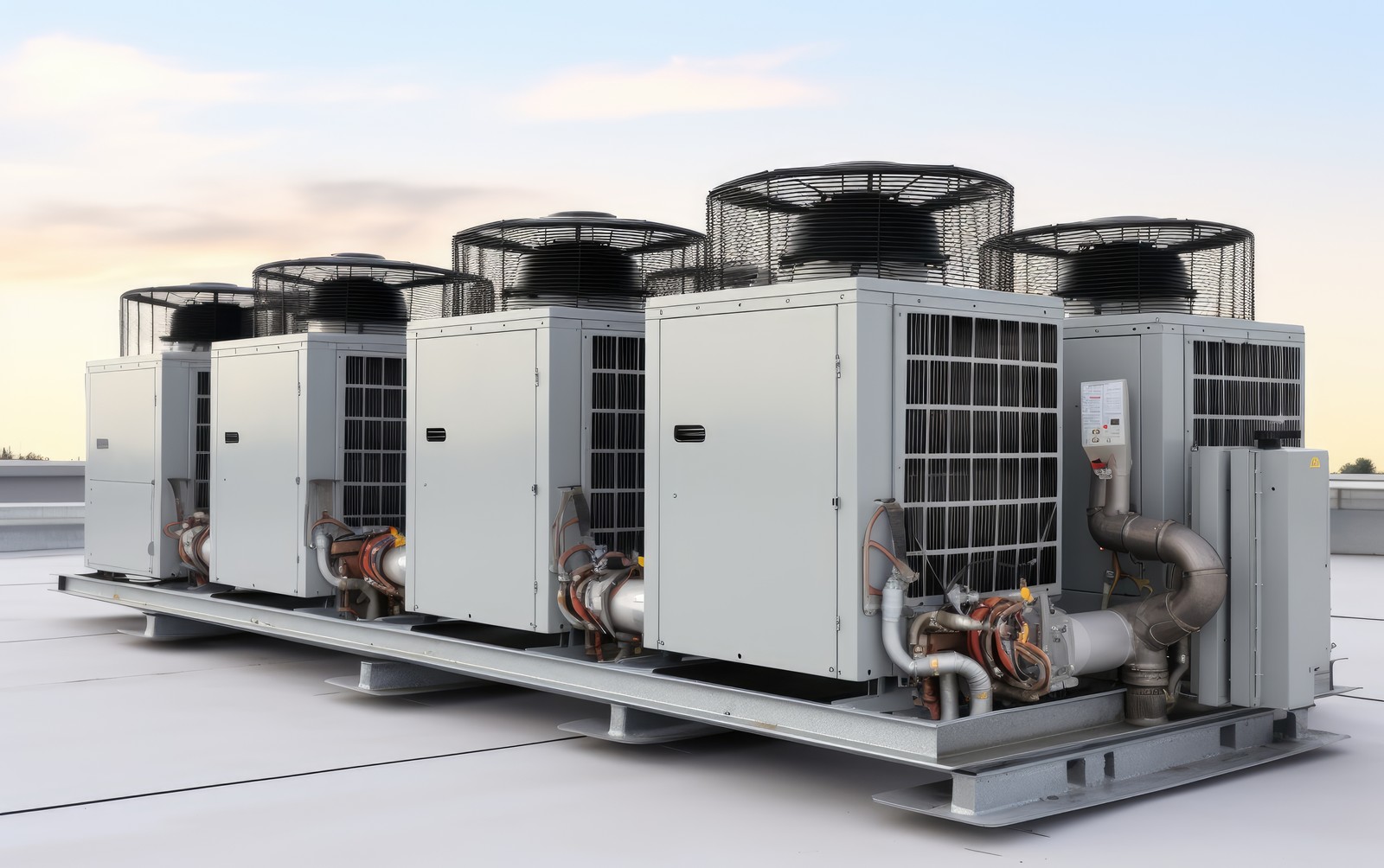
The equipment layout also looks different. Air conditioning may use rooftop units, split systems, ductwork, thermostats, filters, dampers, and building controls. Refrigeration may include evaporators, condensers, compressors, expansion valves, drain lines, case controls, defrost cycles, and refrigerant piping. Both systems need good installation, but the details are not the same.
Maintenance needs are different as well. Air conditioning maintenance often focuses on filters, coils, belts, motors, electrical parts, drainage, controls, and airflow. Refrigeration maintenance adds product temperature checks, door gasket inspections, defrost function, refrigerant levels, case airflow, ice buildup, and food-safe operation. Small issues can grow fast when stored goods depend on the equipment.
Why the Difference Matters for Businesses
For a business, the wrong service approach can lead to wasted money and repeated problems. A comfort cooling issue and a cold storage issue may look similar at first. Both can involve poor cooling, strange sounds, high energy bills, or short cycling. Still, the cause and repair path can be very different.
For example, a warm office may point to a clogged filter, a weak blower motor, low refrigerant, or a control issue. A warm walk-in cooler may involve a dirty condenser, a failed fan, ice buildup, a door seal problem, a refrigerant leak, or an incorrect defrost setting. Each problem needs a technician who understands the equipment and the business impact behind it.
The stakes also differ by industry. A restaurant needs reliable refrigeration to protect food and maintain service. A warehouse may need temperature control for inventory, staff comfort, or equipment performance. A medical or testing facility may need stable conditions for sensitive materials. In each case, the system supports daily operations, not just comfort.
That is why commercial HVAC/R service should look at the whole facility. Equipment age, usage patterns, load demands, airflow, building layout, and maintenance history all matter. A quick repair can solve the immediate issue, but a broader review can help reduce repeat breakdowns and energy waste.
How Accurate Air, Inc. Can Help
At Accurate Air, Inc., we work with commercial and industrial HVAC/R systems across New Hampshire and Northern Massachusetts. Our team handles commercial HVAC, air conditioning, refrigeration, ventilation, preventative maintenance, mechanical equipment design-build, and plan and spec work. We focus on practical solutions that fit the building, the equipment, and the way the business operates.
Our factory-trained technicians service rooftop units, commercial AC systems, walk-in coolers, reach-in coolers, ice machines, display cases, ventilation systems, and mechanical equipment. We also support design-build projects and system upgrades for businesses that need better performance, cleaner installation, or improved efficiency. Since we are licensed, bonded, and insured, our customers can work with us with clear expectations from start to finish.
When urgent problems happen, our 24/7 emergency service helps businesses respond quickly. A failed AC system can disrupt staff and customers. A failed refrigeration system can put inventory at risk. Our goal is to identify the problem, explain the repair clearly, and get the system back on track with minimal disruption.
Air conditioning and refrigeration may share similar cooling principles, but they serve different commercial needs. One supports comfort, airflow, and indoor conditions. The other protects products, storage areas, and temperature-sensitive operations. At Accurate Air, Inc., we understand both sides of the work, and we bring over 30 years of local experience to commercial HVAC/R service. Contact us to request a free estimate.
FAQs
What is the main difference between air conditioning and refrigeration?
Air conditioning cools indoor spaces for comfort, while refrigeration keeps products or materials at controlled temperatures.
Do air conditioning and refrigeration use the same cooling process?
Yes, both use refrigerant, compressors, coils, and heat transfer, but their temperature goals and system demands are different.
Why does refrigeration need tighter temperature control?
Refrigeration protects items that can spoil, melt, lose quality, or become unsafe when temperatures rise.
What Every Business Owner Should Know About Commercial Refrigeration Systems
Every restaurant, grocery store, and food service operation depends on dependable cold storage to protect inventory and stay compliant with health codes. A well-designed commercial refrigeration system does more than keep products cold. It protects revenue, prevents spoilage, and keeps daily operations moving without interruption. We work with business owners across New Hampshire and NorthernContinue reading "What Every Business Owner Should Know About Commercial Refrigeration Systems"
How To Calculate The Cost Of Your Commercial HVAC Unit
Budgeting for new equipment starts with understanding how a commercial HVAC cost calculator actually works and which factors influence the final number. Unlike a simple online tool that spits out a flat estimate, real commercial HVAC pricing depends on building size, equipment type, installation complexity, and local code requirements. We help business owners across NewContinue reading "How To Calculate The Cost Of Your Commercial HVAC Unit"
Guidelines For Designing An Efficient Commercial Kitchen HVAC System
A well-planned commercial kitchen HVAC design keeps staff comfortable, protects food safety, and prevents the heat, grease, and moisture generated during service from overwhelming a building’s air systems. Commercial kitchens present some of the most demanding HVAC challenges in any facility, combining high heat output, constant humidity, and strict ventilation codes that residential and evenContinue reading "Guidelines For Designing An Efficient Commercial Kitchen HVAC System"