Commercial Air Conditioning Maintenance Strategies Every Business Needs
Commercial Air Conditioning Maintenance Strategies Every Business Needs
The mechanical infrastructure of a professional facility represents a significant capital investment that requires consistent attention to remain viable. Operating a building without a clear plan for your cooling equipment often leads to a cycle of expensive emergency fixes and high utility expenses.
Implementing a structured approach to commercial air conditioning maintenance allows a business to stabilize its operating budget while extending the functional life of its hardware. By addressing the technical needs of your system before a breakdown occurs, you protect the continuity of your daily operations and maintain a standard of comfort that supports both staff and clients.
The Importance of Proactive Air Conditioning Maintenance
A proactive strategy optimizes the output of every component within the system. High-performance cooling depends on the synergy between electrical controls, mechanical moving parts, and airflow pathways.
When these elements are ignored, the system works harder to achieve basic temperature goals, leading to unnecessary wear. Shifting toward a focused maintenance schedule transforms your HVAC setup from a potential liability into a reliable asset that facilitates a productive work environment.
Seasonal Readiness and Load Management
Anticipating the demands of the changing seasons is one of the most effective ways to manage a large-scale cooling system. Before the peak of summer arrives, a thorough evaluation of the equipment checks whether it can handle the increased thermal load without straining its internal motors.
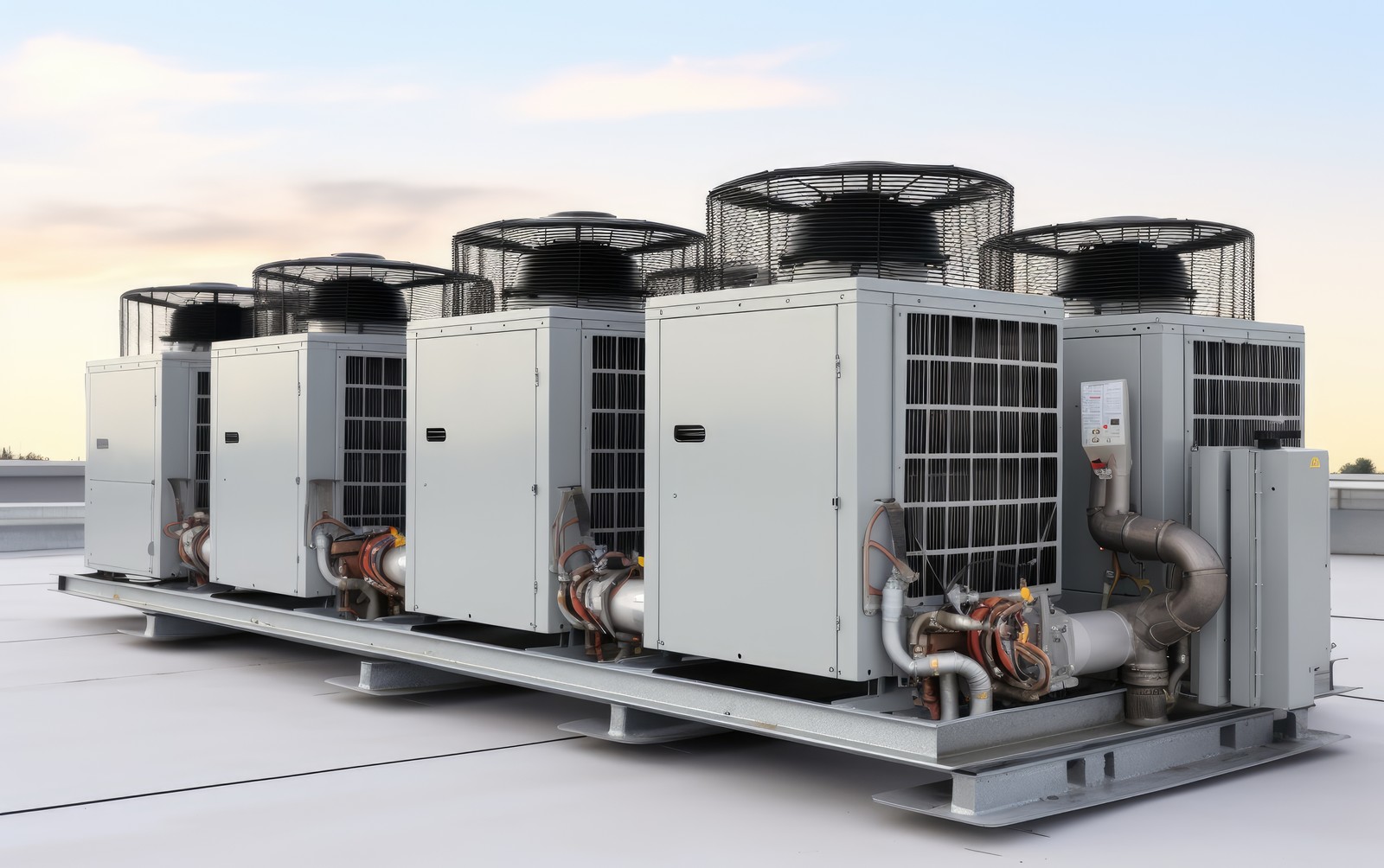
This preparation involves checking refrigerant levels and making sure that the condensers are clear of any obstructions that might hinder heat transfer. A system that is calibrated for the upcoming weather will operate much more efficiently, directly impacting the bottom line through reduced energy consumption.
Beyond seasonal shifts, managers must also consider the specific operational load of the building. A facility that runs around the clock or houses heat-generating machinery puts much more stress on its cooling hardware than a standard retail space.
Tailoring the frequency of inspections to match these real-world demands prevents the slow degradation that occurs when systems are pushed to their limits. Accurate Air, Inc. supports businesses by designing customized oversight programs that account for the unique stress levels of various industrial and commercial environments. By aligning technical care with actual usage patterns, we help our partners maintain steady performance throughout the year.
Airflow Efficiency and Internal Hygiene
The movement of air is the lifeblood of any cooling system, yet it is often compromised by something as simple as a neglected filter.Dust and particulate matter act as a physical barrier, forcing the blower motors to work overtime to circulate conditioned air.
This resistance wastes power but also allows debris to settle on the evaporator coils, which can eventually lead to ice buildup or motor failure. Maintaining a strict schedule for filter replacement and coil cleaning is a fundamental step that keeps the air quality high and the mechanical stress low.
Hygiene within the unit also impacts the health of the building occupants.Stagnant moisture or clogged drain lines can create an environment where mold and bacteria thrive, potentially leading to indoor air quality issues.
Regularly clearing the condensate pathways ensures that the moisture removed from the air is safely channeled away from the building. This simple act of prevention protects the structural integrity of the facility and ensures that the air being breathed by employees and customers is clean and safe.
Electrical Integrity and Control Calibration
Modern cooling hardware relies on a complex web of electrical connections to function correctly. Over time, vibrations from the machinery can cause wires to loosen, while exposure to the elements can lead to corrosion on contactors and terminals.
These electrical flaws often manifest as intermittent shutdowns or mysterious power surges that can damage sensitive control boards. A comprehensive inspection includes tightening every terminal and testing the capacitors to make sure they are providing the correct voltage to the motors.
The calibration of thermostats and building automation sensors is equally important. If a sensor is providing inaccurate data to the central controller, the industrial air conditioning unit may run longer than necessary or fail to reach the desired set point in certain zones.
Verifying that the digital commands accurately reflect the physical state of the building prevents energy waste. This technical alignment means that the intelligence of the system is working in harmony with the mechanical components to deliver the best possible outcome.
Leveraging Professional Expertise Locally
While on-site teams can handle basic visual checks, the technical work required for high-pressure systems demands specialized training. If you are searching for a reliable commercial air conditioning service near me, you will likely realize the value of a local partner who can respond quickly to changing needs. Local specialists understand the specific regional challenges, such as salt air in coastal areas or the heavy pollen counts that can clog external condensers.
The value of expert commercial air conditioning services is found in the transparency and clarity they bring to building management. With clear communication and detailed scopes of work, there will be no surprises when it comes to the technical health of the property.
Professional oversight provides the documentation and historical data needed to make informed decisions about the building’s infrastructure. Having a clear record of past inspections and repairs allows managers to identify trends and predict when a system might finally reach the end of its functional life. This foresight is vital for long-term budget planning, allowing for the organized replacement of aging equipment rather than a chaotic scramble during a system failure.
When every party involved understands the goals and the current state of the equipment, the facility is much better positioned to handle any mechanical challenge that arises.
Achieving Peak System Performance
The path to a trouble-free summer begins with a commitment to the technical health of your cooling infrastructure today. Prioritizing the details of your mechanical room is the best way to guarantee a consistent and productive environment for your organization. Taking a proactive stance prevents the disruption of emergency repairs and ensures your building remains a high-functioning space.
Investing in the longevity of your cooling system is a strategic move that pays dividends in both comfort and cost savings. If you are ready to stabilize your facility’s climate and reduce your energy overhead, professional HVAC repair and optimization can make an immediate difference. Contact us today to learn how our maintenance programs can provide the steady performance your business deserves.
What Every Business Owner Should Know About Commercial Refrigeration Systems
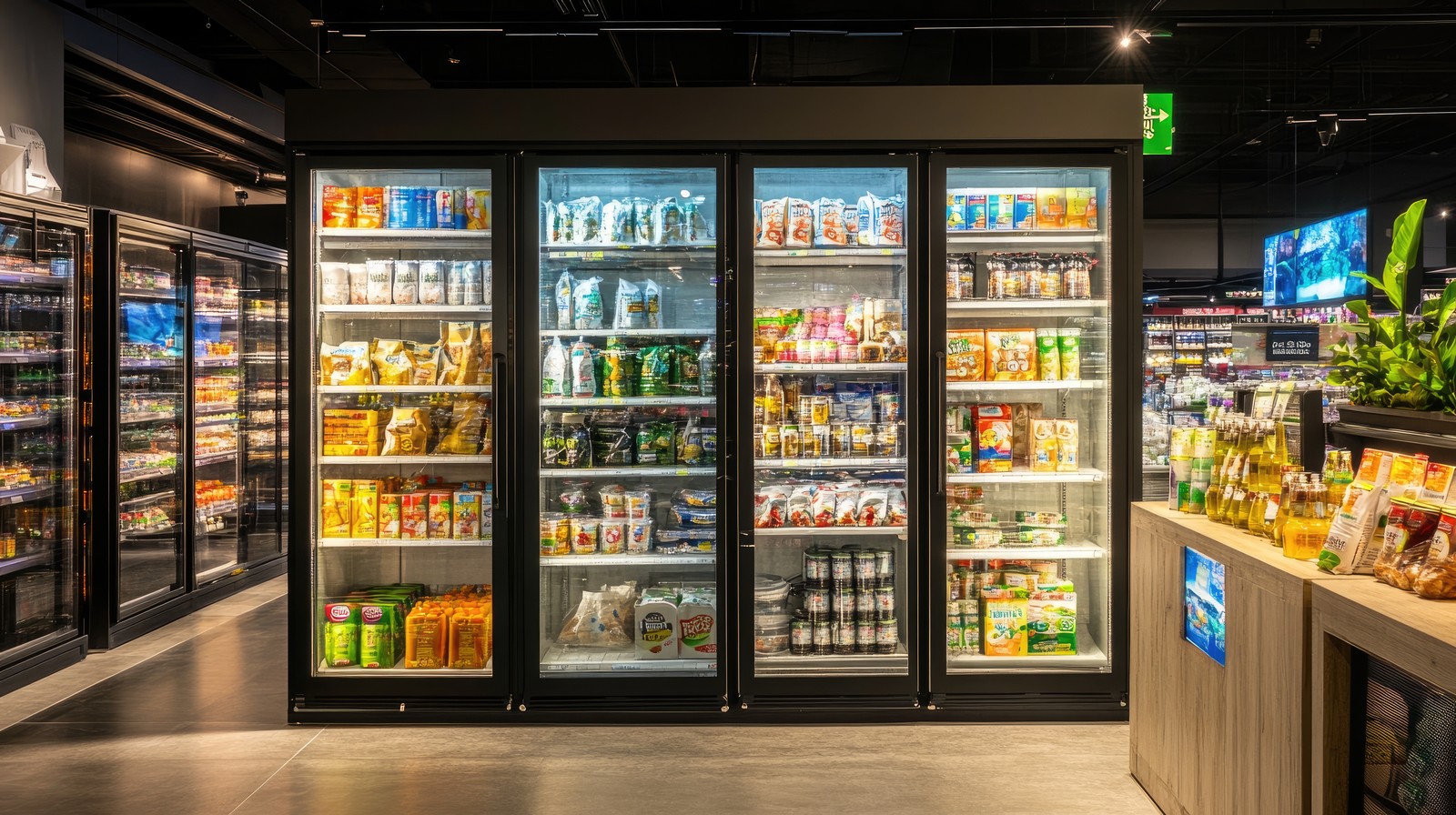
Every restaurant, grocery store, and food service operation depends on dependable cold storage to protect inventory and stay compliant with health codes. A well-designed commercial refrigeration system does more than keep products cold. It protects revenue, prevents spoilage, and keeps daily operations moving without interruption. We work with business owners across New Hampshire and NorthernContinue reading "What Every Business Owner Should Know About Commercial Refrigeration Systems"
How To Calculate The Cost Of Your Commercial HVAC Unit
Budgeting for new equipment starts with understanding how a commercial HVAC cost calculator actually works and which factors influence the final number. Unlike a simple online tool that spits out a flat estimate, real commercial HVAC pricing depends on building size, equipment type, installation complexity, and local code requirements. We help business owners across NewContinue reading "How To Calculate The Cost Of Your Commercial HVAC Unit"
Guidelines For Designing An Efficient Commercial Kitchen HVAC System
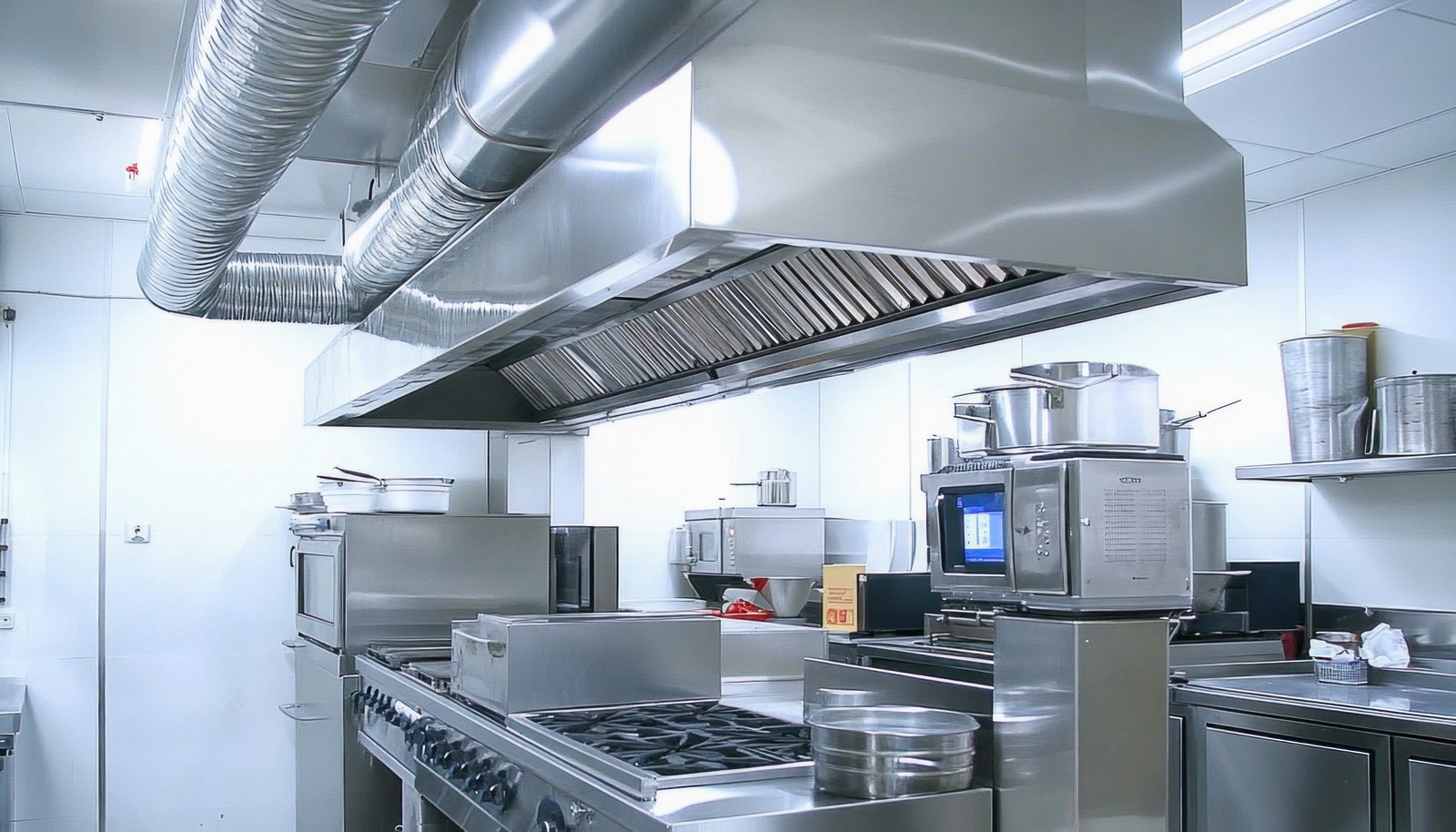
A well-planned commercial kitchen HVAC design keeps staff comfortable, protects food safety, and prevents the heat, grease, and moisture generated during service from overwhelming a building’s air systems. Commercial kitchens present some of the most demanding HVAC challenges in any facility, combining high heat output, constant humidity, and strict ventilation codes that residential and evenContinue reading "Guidelines For Designing An Efficient Commercial Kitchen HVAC System"