Exploring The Types Of HVAC Systems For Commercial Buildings
Exploring The Types Of HVAC Systems For Commercial Buildings
When a person walks into a high-rise office or a sprawling manufacturing plant, the immediate sense of comfort is a result of complex engineering working in the HVAC system. Choosing the correct mechanical layout is a decision that impacts energy costs and tenant retention for decades.
Understanding the different types of HVAC systems for commercial buildings is the first step toward creating an environment where people can focus on their work without the distraction of a fluctuating climate.
Why the Type of Commercial HVAC System Matters
Selecting a framework for temperature control is not a one-size-fits-all endeavor. Every structure possesses a unique personality, defined by its square footage, occupancy levels, and the specific activities happening within its walls. A data center requires massive cooling capacity and humidity control, while a retail outlet might prioritize air distribution and aesthetic integration.
To achieve peak efficiency, a manager must consider how the internal mechanics will integrate with the daily operations of the site. Accurate Air, Inc. specializes in offering commercial HVAC services and can help you determine the best HVAC system for your building.
Split Systems
One of the most common configurations found in smaller to medium-sized facilities is the split system. These setups are familiar to many because they share a similar logic with residential units, though they are scaled up significantly to handle the load of a professional environment.
A split system typically consists of an indoor unit, such as an air handler or furnace, and an outdoor compressor. The two are connected by refrigerant lines, allowing for a flexible installation that can fit into buildings with limited mechanical room space.
These types of commercial HVAC systems are highly valued for their ability to be scaled. If a building undergoes an expansion, it is often possible to add additional units to cover the new zones without overhauling the entire existing infrastructure.
This modularity makes them a favorite for property owners who anticipate growth or changes in floor plans. Because each unit operates independently, a failure in one area does not necessarily mean the entire building loses climate control, providing a built-in layer of redundancy that protects the continuity of the business.
Single Packaged Rooftop Units
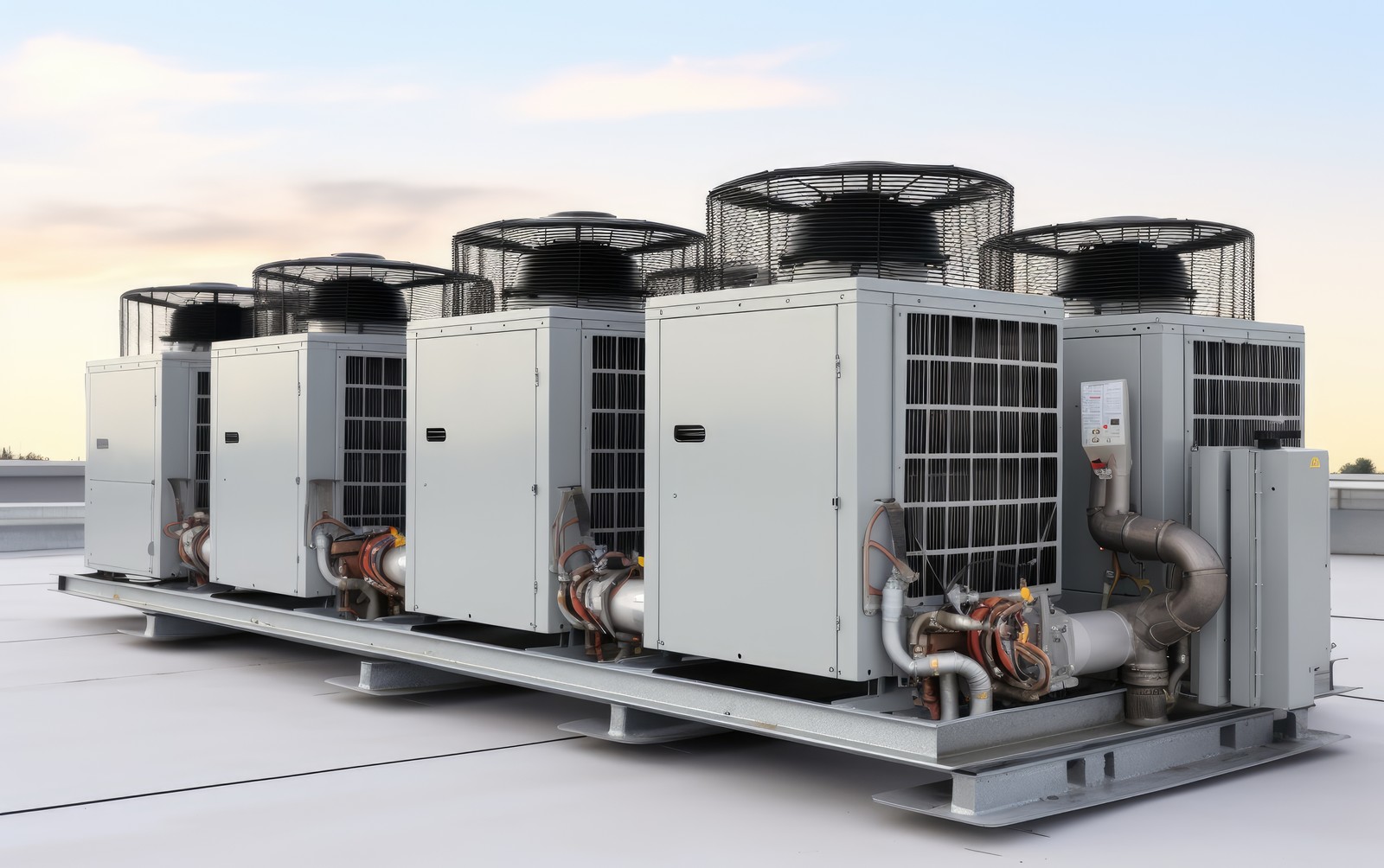
These self-contained systems house all the necessary components, compressors, evaporators, and heating elements, inside a single weather-resistant cabinet. By moving the machinery to the roof, facility managers free up valuable indoor square footage that can be used for inventory or office space. This placement also keeps the noise of the powerful fans away from the ears of the occupants, leading to a quieter and more professional atmosphere indoors.
Packaged systems are designed for high-volume air movement, making them ideal for large, open spaces with high ceilings. They are engineered to be durable, standing up to the harsh weather conditions of New England while delivering consistent performance. Our experience in the field allows us to customize the configuration to match the specific thermal loads of a building, preventing the common mistake of installing an oversized unit that wastes energy.
VRF Technology
For facilities that require extreme granular control over different rooms, Variable Refrigerant Flow technology offers a sophisticated solution. VRF systems are capable of cooling one room while simultaneously heating another by capturing heat that would otherwise be wasted and moving it to where it is needed.
This heat recovery process makes it one of the most energy-efficient commercial HVAC system types available on the market today. It is particularly effective in hotels, medical clinics, and multi-tenant office buildings where individual preferences vary wildly.
The installation of a VRF system involves a network of small-diameter pipes rather than massive ducts, which is a significant advantage in historic renovations where ceiling height is at a premium. The quiet operation and sleek indoor units make them nearly invisible to the user, yet they provide some of the most consistent temperature management possible. While the initial investment may be higher, the long-term savings in utility bills often make it the most financially sound choice for a modern, high-tech facility.
Industrial Strength Chiller Plants
Chiller plants use water as a secondary refrigerant to move thermal energy throughout a complex. Centralized chilled water plants are exceptionally efficient at cooling large volumes of space because water is a more effective heat transfer medium than air. The chilled water is pumped to air handling units located in different wings of the building, providing a reliable source of cooling that can be precisely modulated.
Maintenance for these systems requires a high level of technical expertise, as it involves water chemistry management, cooling tower upkeep, and complex pumping systems. The longevity of a chiller plant is one of its greatest assets, often lasting much longer than individual rooftop units if they are cared for properly.
Geothermal HVAC Systems
Geothermal HVAC systems are an eco-friendly alternative for commercial buildings, utilizing the Earth’s natural temperature to heat and cool the building. These systems use a network of underground pipes to transfer heat from the ground into the building or remove heat from the building and transfer it back into the ground.
Geothermal systems are highly efficient and can reduce energy costs significantly. They are also more sustainable than traditional systems, as they rely on renewable energy sources. However, the initial installation cost is higher compared to conventional HVAC systems, and the installation process can be complex, requiring space for the underground pipes.
If you’re considering a green building approach, geothermal systems offer significant long-term benefits. We can provide expert advice and installation services to help you implement a geothermal system for your commercial building.
Choosing the Right HVAC System for Your Commercial Building
Selecting the right mechanical framework is a journey that begins with analyzing the specific needs of your operations. Factors like building size, layout, budget, and energy goals all play a role in determining the best system for your facility.
We help facility managers select the best solution for their needs. Our expert technicians provide comprehensive services, including system design, installation, maintenance, and repair, to keep your building comfortable year-round.
To upgrade your infrastructure or if you need a partner to manage a complex build, professional HVAC installation is the key to ensuring your equipment starts its life cycle on the right foot. Reach out to us to learn how the right solution can improve your building’s operational output and keep your environment perfectly controlled regardless of the weather outside.
What Every Business Owner Should Know About Commercial Refrigeration Systems
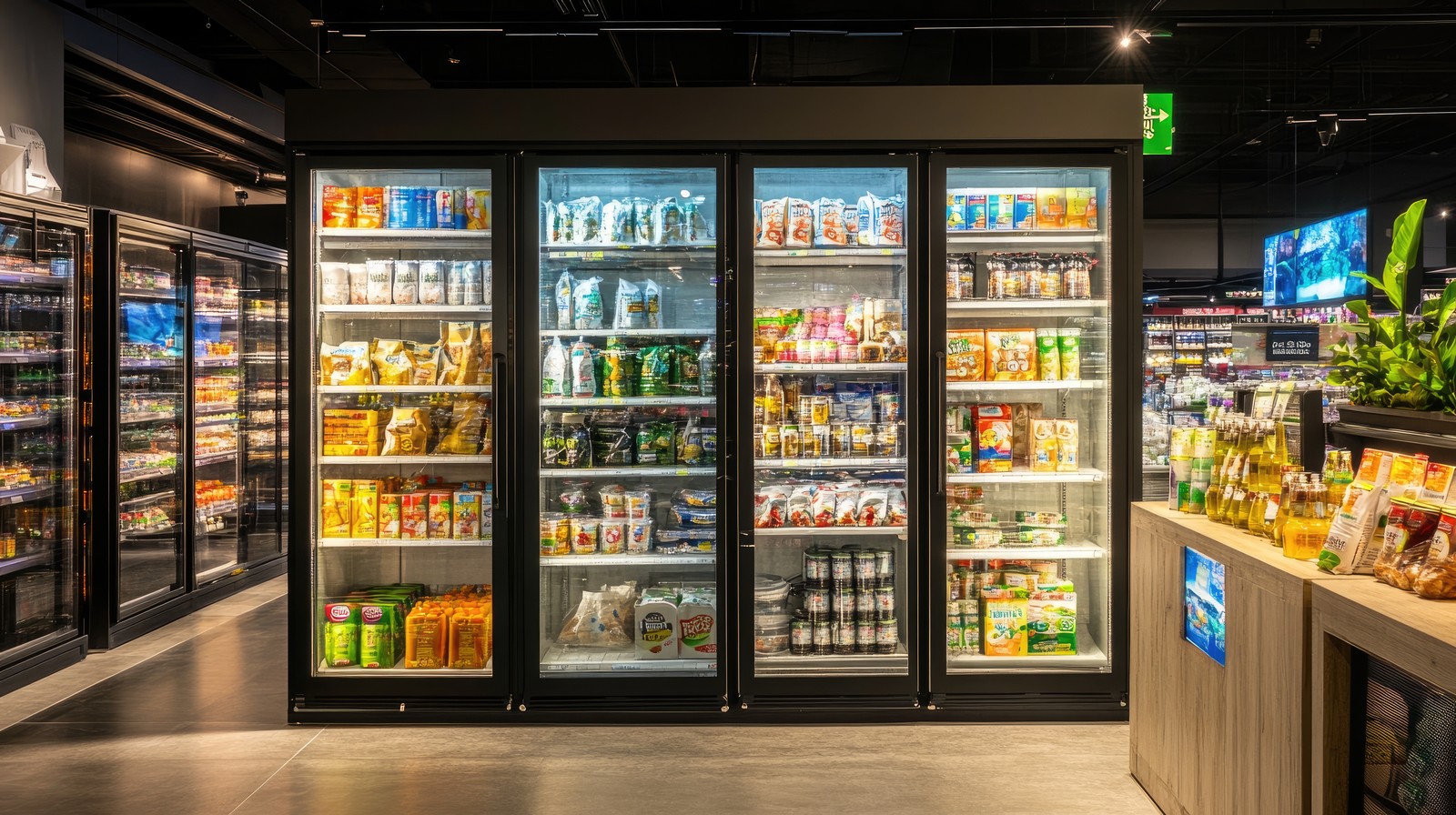
Every restaurant, grocery store, and food service operation depends on dependable cold storage to protect inventory and stay compliant with health codes. A well-designed commercial refrigeration system does more than keep products cold. It protects revenue, prevents spoilage, and keeps daily operations moving without interruption. We work with business owners across New Hampshire and NorthernContinue reading "What Every Business Owner Should Know About Commercial Refrigeration Systems"
How To Calculate The Cost Of Your Commercial HVAC Unit
Budgeting for new equipment starts with understanding how a commercial HVAC cost calculator actually works and which factors influence the final number. Unlike a simple online tool that spits out a flat estimate, real commercial HVAC pricing depends on building size, equipment type, installation complexity, and local code requirements. We help business owners across NewContinue reading "How To Calculate The Cost Of Your Commercial HVAC Unit"
Guidelines For Designing An Efficient Commercial Kitchen HVAC System
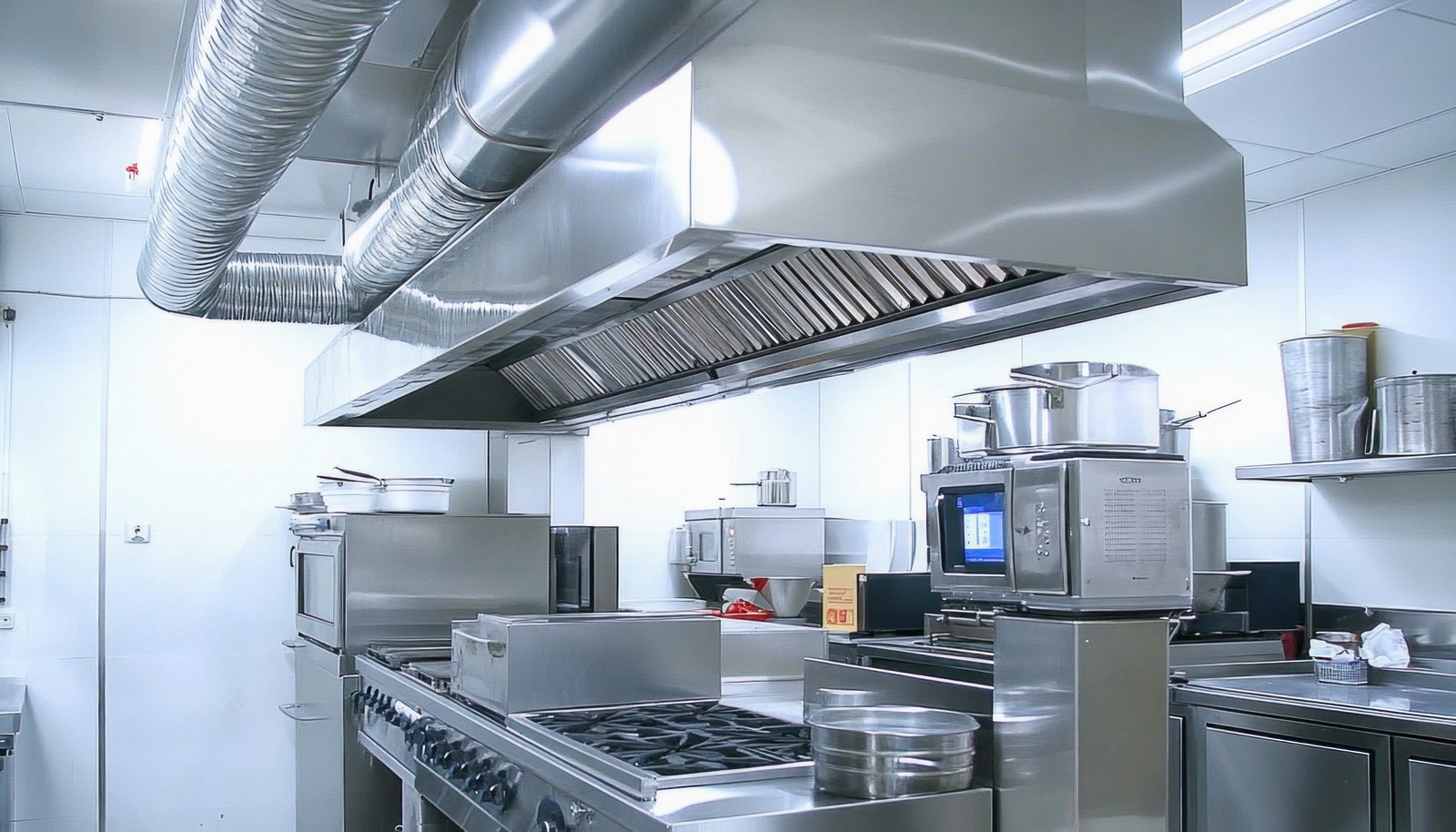
A well-planned commercial kitchen HVAC design keeps staff comfortable, protects food safety, and prevents the heat, grease, and moisture generated during service from overwhelming a building’s air systems. Commercial kitchens present some of the most demanding HVAC challenges in any facility, combining high heat output, constant humidity, and strict ventilation codes that residential and evenContinue reading "Guidelines For Designing An Efficient Commercial Kitchen HVAC System"