Commercial Refrigerator Vs. Residential: What’s The Difference?
Commercial Refrigerator Vs. Residential: What’s The Difference?
A refrigerator at home and a refrigerator in a business do the same basic job. They keep items cold. Still, the commercial vs. residential refrigerator comparison matters when food safety, daily use, storage volume, and business uptime are involved. A commercial unit is built for a heavier demand. A residential unit is built for normal household use.
That difference affects size, cooling speed, durability, maintenance, and cost. If you run a restaurant, café, grocery store, lab, or commercial kitchen, the right choice can protect products and reduce stress during busy hours.
Built for Different Workloads
A residential refrigerator is made for family use. It opens a few times an hour and holds groceries for daily living. It also focuses on quiet operation, style, and energy use in a home setting.
A commercial refrigerator is made for constant access. Staff may open the doors all day during prep, service, stocking, or cleaning. The unit must recover temperature quickly after each opening. That makes a stronger cooling power a major difference.
This is why commercial units usually have heavier compressors, stronger fans, and more durable parts. They are built to handle long hours and repeated use. In many businesses, that reliability protects food, inventory, and daily operations.
Cooling Power and Temperature Recovery
Temperature recovery is one of the biggest differences. A residential refrigerator cools well in a steady home environment. It may struggle when doors open often, or warm products are added in large amounts.
Commercial refrigeration equipment reacts faster. It is designed to pull temperatures back down quickly after heavy use. This helps keep stored items within safe ranges.
That matters in food service and retail. Warm air enters every time a door opens. A slow recovery time can affect product quality. It can also raise the risk of spoilage.
Storage Design and Space
Residential refrigerators are designed for convenience at home. They often include bins, drawers, shelves, and freezer sections for mixed household storage. The layout is useful for families, but it may not work well in a business.
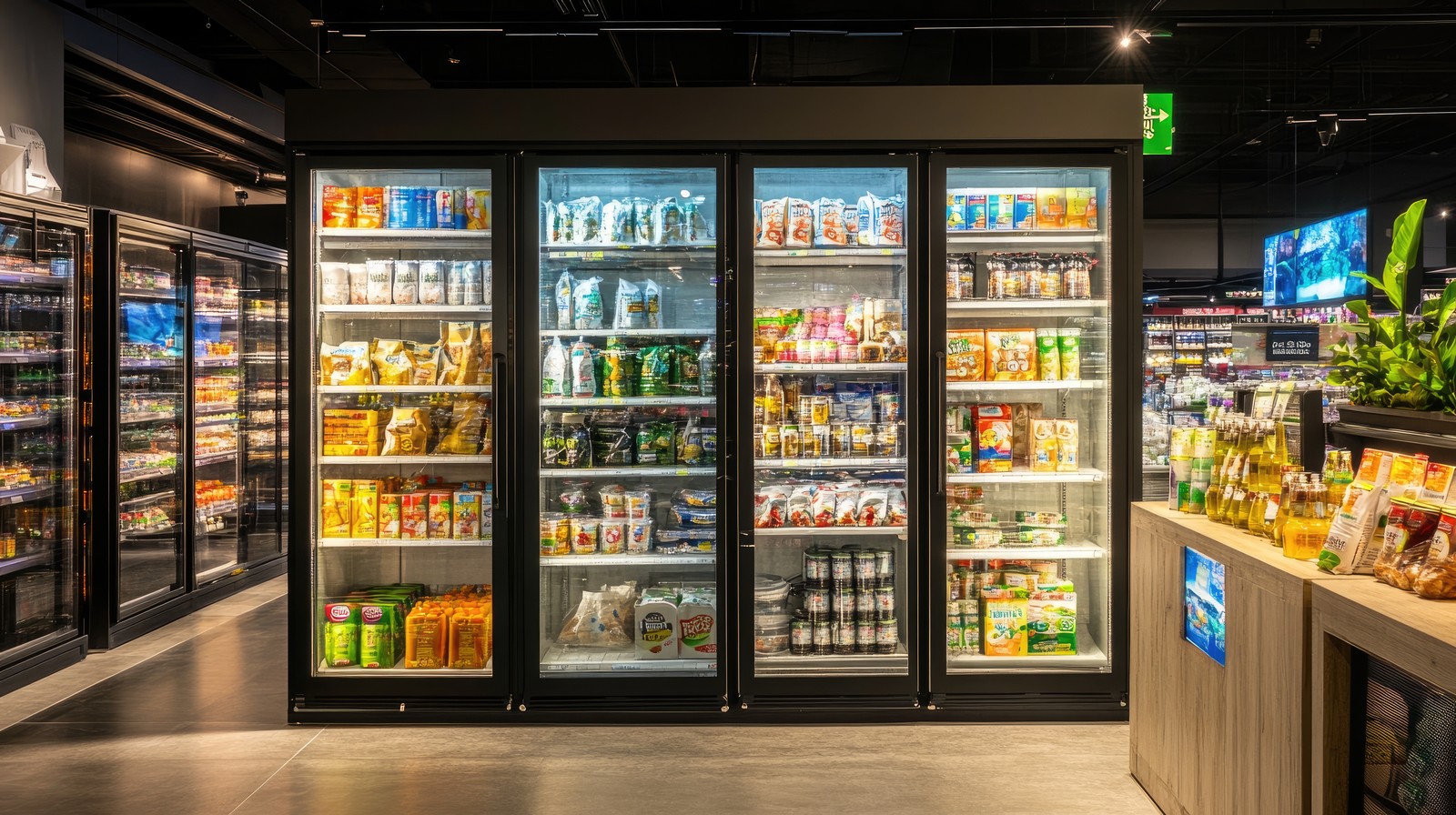
Commercial refrigerators focus on volume, access, and organization. Many units use wide shelves, stainless steel interiors, glass doors, reach-in layouts, or walk-in designs. These features help staff move quickly.
Business storage also depends on the type of operation. A bakery, market, restaurant, and medical facility may all need different refrigeration layouts. The right setup should match the products, space, and workflow.
Durability and Materials
Commercial refrigerators are usually built with stronger materials. Stainless steel is common because it handles heavy cleaning, moisture, and frequent contact. Doors, hinges, gaskets, and shelving are also made for tougher use.
Residential units are lighter. They are not meant for the same level of traffic. If a home refrigerator is used in a commercial setting, parts can wear out faster.
Durability also affects cleaning. Commercial spaces need equipment that supports sanitation and fast access. A unit that is hard to clean can slow down staff and create problems during inspections.
Choosing the Right Refrigeration Setup
The right refrigeration setup should match your space, product load, daily use, and temperature needs. It should also support smooth workflow and safe storage. Guessing can lead to poor performance or higher repair costs.
At Accurate Air, Inc., we help commercial and industrial clients with refrigeration service, maintenance, repair, and system planning. We work with walk-in coolers, reach-in units, ice machines, display cases, and other specialized equipment.
If your business needs dependable refrigeration, contact us to request a free estimate.
FAQs
Can a residential refrigerator be used for commercial storage?
It may work for light storage, but it often lacks the cooling power, durability, and code fit needed for commercial use.
Why do commercial refrigerators cool faster?
They use stronger compressors, fans, and airflow designs that help restore safe temperatures after frequent door openings.
Do commercial refrigerators need more maintenance?
Yes, they usually need regular checks for coils, gaskets, drains, fans, controls, and refrigerant levels.
What Every Business Owner Should Know About Commercial Refrigeration Systems
Every restaurant, grocery store, and food service operation depends on dependable cold storage to protect inventory and stay compliant with health codes. A well-designed commercial refrigeration system does more than keep products cold. It protects revenue, prevents spoilage, and keeps daily operations moving without interruption. We work with business owners across New Hampshire and NorthernContinue reading "What Every Business Owner Should Know About Commercial Refrigeration Systems"
How To Calculate The Cost Of Your Commercial HVAC Unit
Budgeting for new equipment starts with understanding how a commercial HVAC cost calculator actually works and which factors influence the final number. Unlike a simple online tool that spits out a flat estimate, real commercial HVAC pricing depends on building size, equipment type, installation complexity, and local code requirements. We help business owners across NewContinue reading "How To Calculate The Cost Of Your Commercial HVAC Unit"
Guidelines For Designing An Efficient Commercial Kitchen HVAC System
A well-planned commercial kitchen HVAC design keeps staff comfortable, protects food safety, and prevents the heat, grease, and moisture generated during service from overwhelming a building’s air systems. Commercial kitchens present some of the most demanding HVAC challenges in any facility, combining high heat output, constant humidity, and strict ventilation codes that residential and evenContinue reading "Guidelines For Designing An Efficient Commercial Kitchen HVAC System"