How Long Do Commercial HVAC Systems Last? Understanding The Lifespan
How Long Do Commercial HVAC Systems Last? Understanding The Lifespan
If you manage a commercial building, one common question is how long do commercial HVAC systems last before repair costs start to outweigh performance. In most cases, a commercial HVAC system lasts about 15 to 25 years, but that range depends on the equipment type, workload, maintenance history, installation quality, and building demand. Some systems wear out sooner in heavy-use spaces, while others keep running longer with steady care and timely upgrades.
Why Commercial HVAC Lifespan Varies
Commercial HVAC systems work harder than most residential units. They often run for long hours, serve larger spaces, and support people, products, equipment, or business operations that rely on stable indoor conditions. Because of that, two systems installed in the same year can age very differently.
For example, an office building with a moderate schedule places less strain on equipment than a restaurant, medical facility, warehouse, or manufacturing site. A rooftop unit exposed to tough weather may also age faster than equipment placed in a more protected location. The design of the building plays a role too, since poor airflow or undersized equipment can force the system to work harder every day.
Maintenance is another major factor. A system that gets regular filter changes, coil cleaning, belt checks, refrigerant checks, and performance inspections usually lasts longer. On the other hand, small issues can grow into major failures when they are ignored.
Average Lifespan by System Type
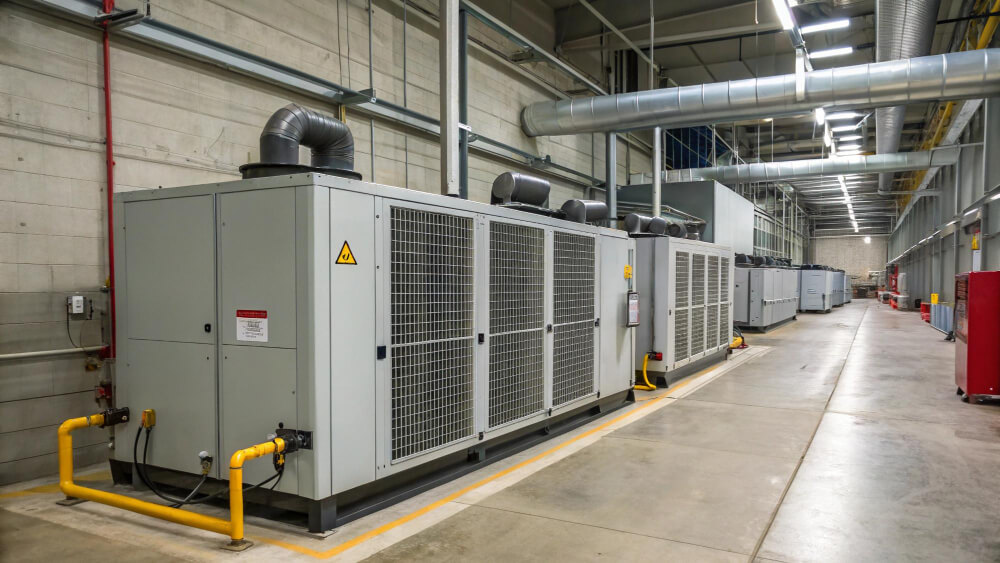
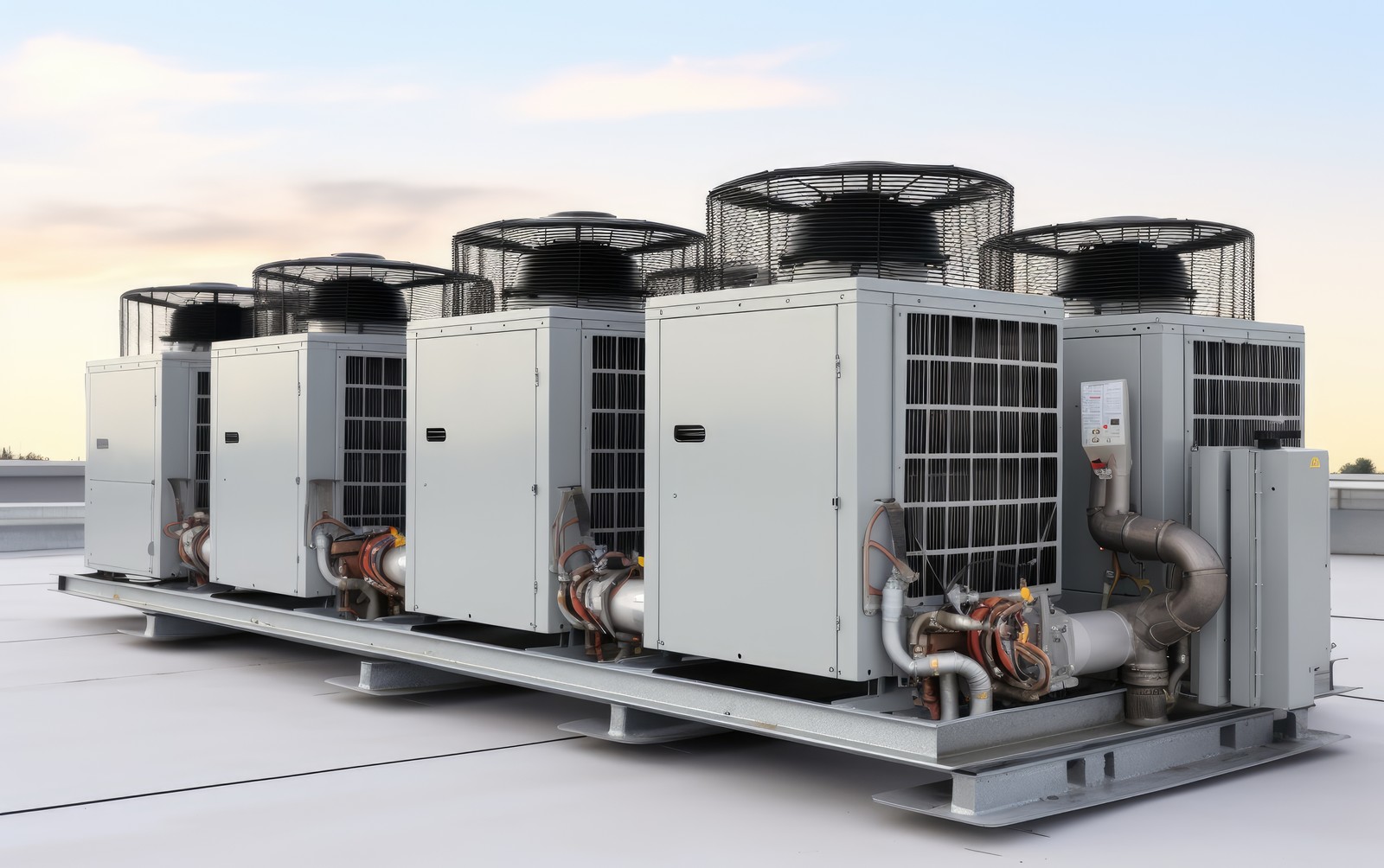
Different commercial HVAC systems have different life expectancies. Rooftop units often last around 15 to 20 years. Commercial furnaces can reach 20 years or more when maintained well. Boilers may last 20 to 30 years, depending on the system and operating conditions. Chillers can also last 20 years or longer with proper service.
Commercial air conditioning systems usually fall within the 15 to 20 year range. Ventilation equipment and exhaust systems can last many years, too, but their lifespan depends heavily on use, cleanliness, and code requirements.
These numbers are useful for planning, but they are not fixed deadlines. A 12-year-old system can still be a strong asset, while a 10-year-old system with poor maintenance can become a budget problem. The real question is how well the equipment performs, how often it breaks down, and how much energy it uses.
Signs Your Commercial HVAC System is Nearing the End
Age alone does not tell the full story. A system may still run after 20 years, but that does not always mean it is running well. Rising utility bills, uneven temperatures, frequent service calls, and unusual noises can all point to deeper wear inside the equipment.
Repair cost is another strong clue. If repair bills keep growing, replacement may become the better business decision. This is especially true when parts are harder to find or when the system no longer supports your building’s current needs. Older equipment can also struggle with airflow, humidity control, and indoor comfort during peak heating or cooling seasons.
Aging systems can also affect daily operations. A restaurant needs steady refrigeration and comfort for staff and guests. A warehouse may need stable temperatures for products and equipment. An office building needs reliable airflow throughout the workday. When the HVAC system can no longer support those demands, downtime becomes a real business risk.
How Maintenance Helps Extend System Life
Preventive maintenance is one of the best ways to get more years from commercial HVAC equipment. Regular service keeps components cleaner, reduces strain, and helps catch small issues before they turn into expensive failures. It also gives building owners and facility managers a clearer picture of system health.
During maintenance, technicians can inspect belts, motors, coils, filters, electrical parts, refrigerant levels, drains, controls, and airflow. These checks help the system run with less stress. Over time, that can improve comfort, reduce energy waste, and delay replacement.
Maintenance also supports better planning. Instead of reacting to sudden breakdowns, you can track repair history and performance trends. That makes it easier to budget for upgrades, replacements, or design changes before equipment fails at the worst time.
How We Can Help Your System Last Longer
At Accurate Air, Inc., we work with commercial and industrial HVAC, air-conditioning, refrigeration, ventilation, preventative maintenance, mechanical equipment design-build, and plan and spec projects. Our team brings over 30 years of local experience to businesses across New Hampshire and Northern Massachusetts.
We help clients understand the condition of their systems through detailed service, diagnostics, repair, maintenance, and replacement guidance. Our licensed, bonded, and insured technicians are factory-trained, and we support businesses with 24/7 emergency HVAC service when equipment problems cannot wait.
If your system is aging, we can help you decide the next practical step. That may mean maintenance, repair, efficiency upgrades, or a planned replacement. Contact us to request a free estimate and keep your commercial HVAC system ready for the demands of your building.
FAQs
How long do rooftop HVAC units usually last?
Rooftop HVAC units often last around 15 to 20 years with regular maintenance.
What shortens the life of a commercial HVAC system?
Poor maintenance, heavy use, bad airflow, improper sizing, and harsh weather exposure can shorten system life.
When should a commercial HVAC system be replaced?
Replacement is worth considering when repairs become frequent, energy bills rise, and performance no longer supports the building’s needs.
What Every Business Owner Should Know About Commercial Refrigeration Systems
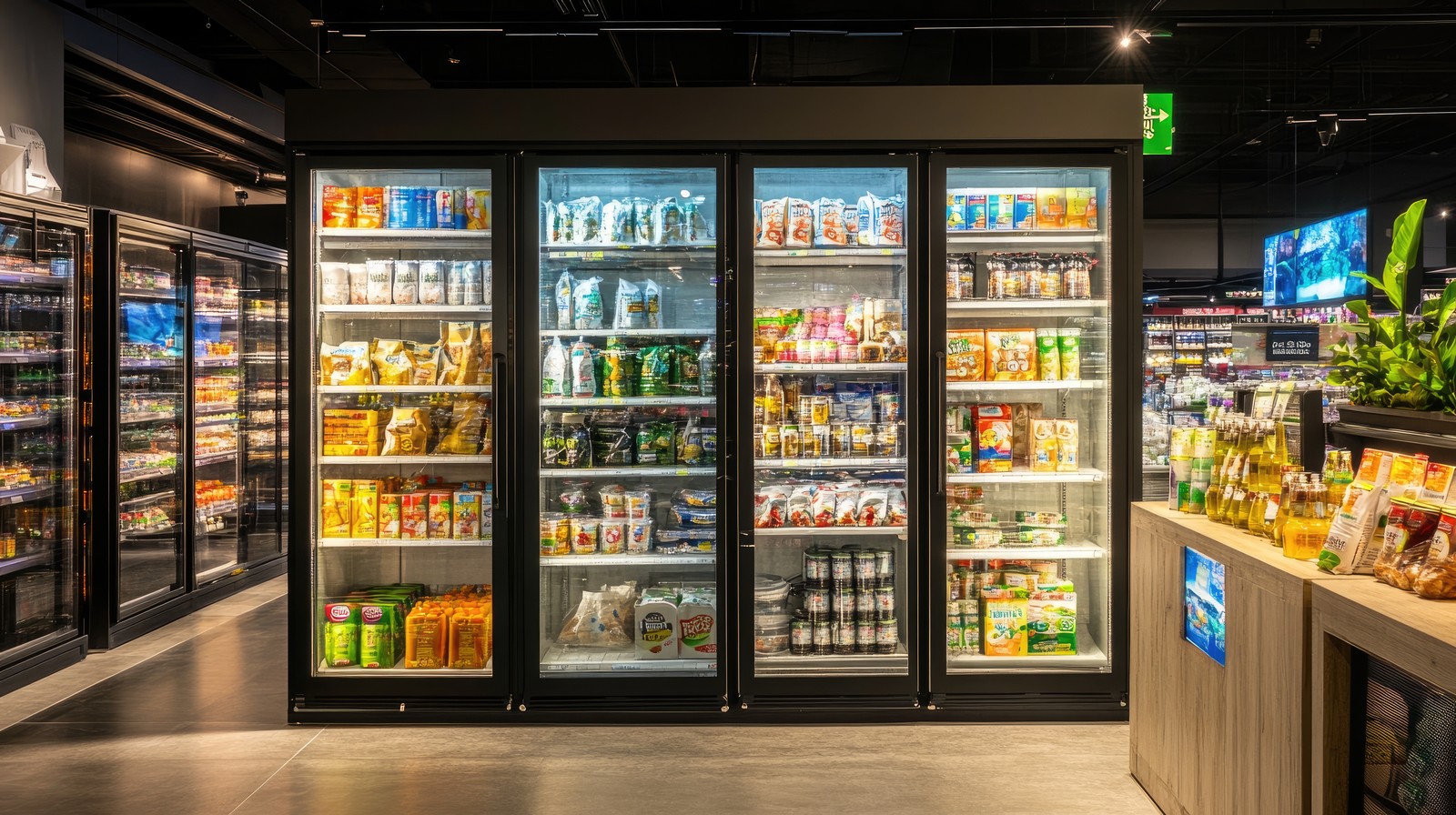
Every restaurant, grocery store, and food service operation depends on dependable cold storage to protect inventory and stay compliant with health codes. A well-designed commercial refrigeration system does more than keep products cold. It protects revenue, prevents spoilage, and keeps daily operations moving without interruption. We work with business owners across New Hampshire and NorthernContinue reading "What Every Business Owner Should Know About Commercial Refrigeration Systems"
How To Calculate The Cost Of Your Commercial HVAC Unit
Budgeting for new equipment starts with understanding how a commercial HVAC cost calculator actually works and which factors influence the final number. Unlike a simple online tool that spits out a flat estimate, real commercial HVAC pricing depends on building size, equipment type, installation complexity, and local code requirements. We help business owners across NewContinue reading "How To Calculate The Cost Of Your Commercial HVAC Unit"
Guidelines For Designing An Efficient Commercial Kitchen HVAC System
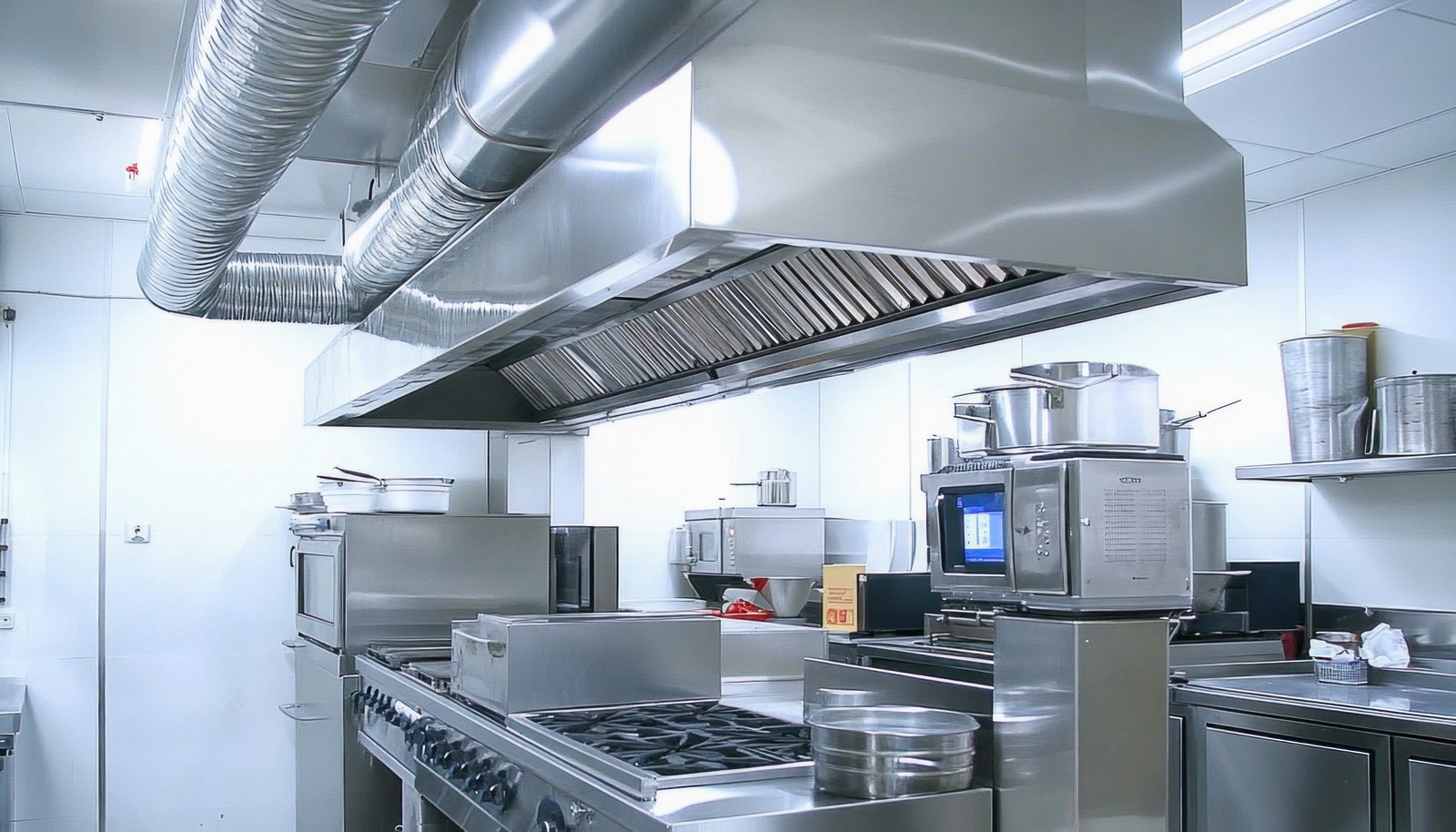
A well-planned commercial kitchen HVAC design keeps staff comfortable, protects food safety, and prevents the heat, grease, and moisture generated during service from overwhelming a building’s air systems. Commercial kitchens present some of the most demanding HVAC challenges in any facility, combining high heat output, constant humidity, and strict ventilation codes that residential and evenContinue reading "Guidelines For Designing An Efficient Commercial Kitchen HVAC System"