The Role Of Industrial Air Conditioners In Warehouse Operations
The Role Of Industrial Air Conditioners In Warehouse Operations
The sheer scale of operations in warehouse environments necessitates a robust system for maintaining optimal temperatures. Without a high-capacity industrial air conditioner for warehouse applications, these environments would quickly become unbearable for workers and hazardous for temperature-sensitive products. Maintaining a stable atmosphere determines the safety and efficiency of operations in the logistics sector.
The challenge of cooling thousands of square feet of open space differs vastly from standard residential settings. Every pallet of electronics, pharmaceutical supplies, or delicate food items depends on the air conditioning systems above to keep the climate within a strict range. When the climate is managed correctly, the entire facility operates like a finely tuned machine.
The Engineering of a Commercial Air Conditioning System
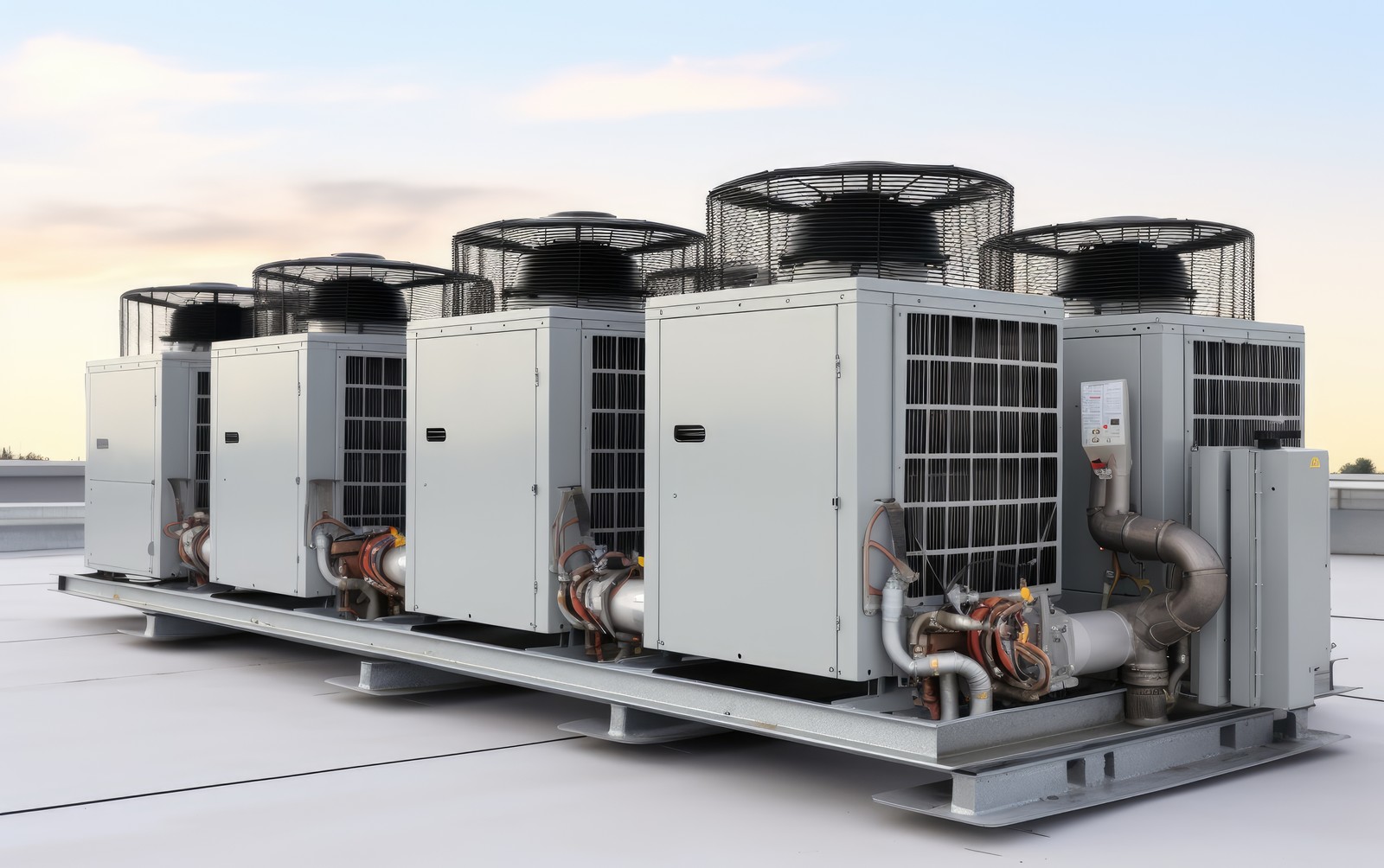
An industrial cooling setup is a marvel of modern engineering, often involving multiple rooftop units or large-scale chiller plants. A well-designed commercial air conditioning system must be capable of handling massive volumes of air while remaining energy-efficient.
Because warehouses often have high ceilings, the physics of stratification, where heat rises and settles at the top, must be addressed. This is often solved through high-volume, low-speed fans or strategically placed diffusers that push the conditioned air down to the occupied zone.
The integration of smart controls is another piece of the puzzle. Modern systems use sensors to monitor conditions in real-time, adjusting the output of the units based on the outdoor temperature and the internal load.
This prevents the system from overworking during the cooler night hours and ensures it is ready to handle the midday sun. This level of automation is what keeps utility costs manageable even in facilities that span hundreds of thousands of square feet.
Benefits of Industrial Air Conditioners for Warehouses
Warehouses typically contain vast open spaces with high ceilings, which can make regulating temperature challenging. As products are often stored in bulk, it’s essential to make sure that the temperature inside is controlled to prevent damage to sensitive items. Additionally, with large machinery running throughout the day, temperatures can rise quickly, making it uncomfortable for employees and affecting operational efficiency.
Protecting Inventory from Thermal Stress
The primary mission of any cooling setup in a storage environment is the preservation of goods. Many items held in logistics hubs have a specific thermal threshold that, if exceeded, can lead to product failure.
For instance, pharmaceuticals can lose their efficacy, and food products can spoil in a matter of hours if the internal temperature of the building spikes. Even non-perishable items like plastics or adhesives can warp or degrade under the intense heat that often accumulates near the roof of a large facility.
By utilizing a robust mechanical strategy, facility managers can create a shield around their assets. This requires sophisticated air distribution patterns that eliminate hot spots and maintain a uniform temperature from the floor to the highest rack.
This level of consistency is what separates a world-class warehouse from a struggling one. It provides the peace of mind that every item leaving the dock is in the same condition as when it arrived.
Enhancing Workforce Productivity and Safety
While inventory protection is a high priority, the human element of warehouse management is equally vital. Working in a high-temperature environment is physically taxing and can lead to a significant drop in focus and manual dexterity.
Heat stress is a genuine safety concern that can result in accidents, injuries, and high employee turnover rates. When the work environment is kept at a professional, comfortable level, employees remain more alert and are capable of maintaining a much higher pace of work throughout their shift.
Providing a temperate workspace shows a commitment to the well-being of the crew. It fosters a culture of respect and high standards, which in turn leads to better operational outcomes.
A cool warehouse is a productive warehouse, where staff can move with purpose without the sluggishness brought on by humidity and stagnant air. This investment in the environment is, at its core, an investment in the people who make the business possible.
Enhanced Operational Efficiency
In large warehouses, the use of machinery and equipment is constant. Forklifts, conveyor belts, and other equipment generate a considerable amount of heat. Without an industrial air conditioner, the heat from these machines can accumulate, creating uncomfortable working conditions and reducing the efficiency of the equipment.
An efficient commercial air conditioning system keeps both the workspace and the equipment within a functional temperature range. This helps prevent overheating of machinery and equipment, reducing the risk of breakdowns and costly repairs. The result is enhanced operational efficiency and fewer delays in the supply chain process.
Selecting Your Commercial Air Conditioning Partner
Choosing the right partner to design and install these massive systems is a decision that has long-term financial implications. The complexity of industrial cooling requires a level of expertise that goes beyond basic HVAC knowledge.
Facility managers often vet various commercial air conditioning companies to find a team that understands the nuances of airflow in large, open structures. The right partner will analyze the building’s envelope, occupancy patterns, and heat-generating equipment to create a custom solution.
Accurate Air, Inc. approaches these challenges with over thirty years of hands-on experience in the New Hampshire and Massachusetts regions. We recognize that every warehouse has its own set of challenges, from loading dock infiltration to high-density racking systems.
Our goal is to provide a system that is as reliable as it is efficient, so that your operations never skip a beat. By working with specialists who understand the industrial landscape, you can avoid the common pitfalls of undersized equipment or poorly designed ductwork.
To keep these systems running at peak performance, a schedule of professional commercial air conditioning services is necessary. Industrial units are under immense pressure, often running for long stretches without a break. Regular inspections of the compressors, motors, and electrical connections prevent the small mechanical failures that can lead to a total building shutdown.
Comprehensive HVAC Installation and Design
Achieving the perfect balance of temperature and humidity in a massive space requires a plan tailored to your specific goals. If you are ready to enhance your facility’s infrastructure, a professional HVAC installation can transform your warehouse into a high-performance environment. Reach out to our team to discover how we can design and maintain a mechanical system that supports your operational success for decades to come.
What Every Business Owner Should Know About Commercial Refrigeration Systems
Every restaurant, grocery store, and food service operation depends on dependable cold storage to protect inventory and stay compliant with health codes. A well-designed commercial refrigeration system does more than keep products cold. It protects revenue, prevents spoilage, and keeps daily operations moving without interruption. We work with business owners across New Hampshire and NorthernContinue reading "What Every Business Owner Should Know About Commercial Refrigeration Systems"
How To Calculate The Cost Of Your Commercial HVAC Unit
Budgeting for new equipment starts with understanding how a commercial HVAC cost calculator actually works and which factors influence the final number. Unlike a simple online tool that spits out a flat estimate, real commercial HVAC pricing depends on building size, equipment type, installation complexity, and local code requirements. We help business owners across NewContinue reading "How To Calculate The Cost Of Your Commercial HVAC Unit"
Guidelines For Designing An Efficient Commercial Kitchen HVAC System
A well-planned commercial kitchen HVAC design keeps staff comfortable, protects food safety, and prevents the heat, grease, and moisture generated during service from overwhelming a building’s air systems. Commercial kitchens present some of the most demanding HVAC challenges in any facility, combining high heat output, constant humidity, and strict ventilation codes that residential and evenContinue reading "Guidelines For Designing An Efficient Commercial Kitchen HVAC System"