Ventilation Requirements For Commercial Buildings In Offices And Retail Spaces
Ventilation Requirements For Commercial Buildings In Offices And Retail Spaces
The air quality inside a modern office or retail center dictates the health of the business just as much as the comfort of the occupants. When high-density spaces lack proper air exchange, the atmosphere becomes heavy with carbon dioxide and pollutants, leading to a noticeable drop in mental clarity and physical energy.
Adhering to the specific ventilation requirements for commercial buildings is a technical necessity that maintains a constant flow of fresh, filtered oxygen while removing stagnant air. By focusing on these standards, property owners can create a vibrant, high-functioning environment where employees remain productive and customers feel welcome to stay longer.
Understanding the Core Commercial Ventilation Requirements
The requirements for office spaces and retail establishments can vary depending on factors like building size, occupant load, and specific operational needs. Here’s a closer look at the core commercial ventilation requirements for different spaces:
Determining Necessary Airflow Rates
The volume of fresh air needed for a specific zone depends largely on the number of people occupying the space and the square footage of the floor plan. Regulatory bodies provide specific formulas to calculate the cubic feet per minute of outside air required to maintain a safe environment.
In a typical office, these rates are designed to keep the air from feeling stale, while in a retail boutique, the requirements might be higher to account for the frequent opening of doors and the presence of various consumer goods.
Calculating these rates correctly is the first step in designing an effective mechanical layout. If the airflow is too low, pollutants accumulate; if it is too high, the building wastes a significant amount of energy conditioning outside air that isn’t needed. Striking the right chord between these two extremes is the hallmark of a well-managed property.
Accurate Air, Inc. specializes in these precise calculations, ensuring that your facility meets all local codes while maintaining maximum efficiency. We bring over 30 years of industrial knowledge to the table, helping businesses in New Hampshire and Massachusetts navigate the complexities of mechanical compliance.
Addressing Commercial Ventilation Requirements
Every municipality and industry has a set of commercial ventilation requirements that businesses must meet to meet the standards for legal and safe occupancy. These codes often dictate the minimum distance between air intakes and exhaust vents to prevent the recirculation of contaminated air.
They also specify the type of filtration needed to keep outdoor dust and allergens from entering the workspace. Staying ahead of these regulations is a vital part of facility management, especially during renovations or when changing the use of a space from a warehouse to a retail showroom.
Integrating Systems for Office Productivity
In an office environment, the ventilation system often works in tandem with the heating and cooling units to provide a seamless experience. Air handlers move conditioned air through a network of ducts, while dedicated exhaust fans pull out the air from restrooms and breakrooms.
To achieve the best results, these systems should be managed by smart controls that adjust the intake of fresh air based on actual occupancy levels. This demand-controlled approach is a performance-driven strategy that cuts waste during the hours when the office is only partially full.
We see the office as a delicate ecosystem where temperature and air movement must be perfectly synced. If the air is moving too fast, it creates uncomfortable drafts; if it is too slow, the space feels stuffy and hot.
Our technicians focus on calibrating these systems to deliver a steady, quiet stream of fresh air that stays in the background. By optimizing the delivery of air, we help institutions maintain a focused and professional atmosphere every single day.
Retail Air Management and Customer Experience
Retail spaces face a different set of challenges, often dealing with large windows that create solar heat gain and high ceilings that trap warm air at the top. Effective air movement in a store prevents “dead zones” where the air becomes uncomfortably warm or humid. Retailers also have to consider the smell of their products, which can become overwhelming if the air is not exchanged frequently enough.
A well-designed retail setup keeps the air fresh at the customer level, keeping the shopping experience pleasant from the moment they walk through the door. This often involves the use of specialized diffusers that move air quietly and efficiently without disturbing displays.
Specialized Commercial Ventilation Solutions
Certain zones within a commercial building, such as print rooms, laboratories, or commercial kitchens, require even more robust commercial ventilation solutions. These areas often need dedicated exhaust systems that operate independently of the main building HVAC to prevent the spread of odors or hazardous fumes. Implementing targeted air management in these high-risk areas is a critical safety measure that protects the entire facility.
Our approach to these specialized needs is rooted in performance and safety. We implement systems that capture pollutants at the source, keeping the air in the surrounding offices and retail areas pristine. By utilizing advanced filtration and high-capacity fans, we help businesses manage their internal environments with a high degree of precision. We create a customized plan that fits the specific functional needs of your space.
Finding the Right Local Commercial Ventilation Partner
Your search for commercial ventilation companies near me should focus on finding a partner who can provide responsive service and understands the regional weather patterns. New England winters and humid summers put specific stresses on air intake systems, such as the risk of frozen coils or high moisture levels. A local provider can design solutions that are built to handle these specific environmental challenges.
With professional oversight, every aspect of the mechanical system can operate within its design parameters. We provide clean scopes of work and transparent pricing, so there are no surprises when it comes to the technical health of your building. Regular maintenance by factory-trained technicians prevents the small issues that lead to massive downtime, keeping your operations steady and predictable.
If you are ready to improve your building’s performance and maintain compliance with all local standards, professional ventilation system design and installation can provide the long-term results you need. Contact our team today to discuss your project and learn how our decades of experience can help you implement a mechanical strategy that keeps your office or retail space breathing perfectly year-round.
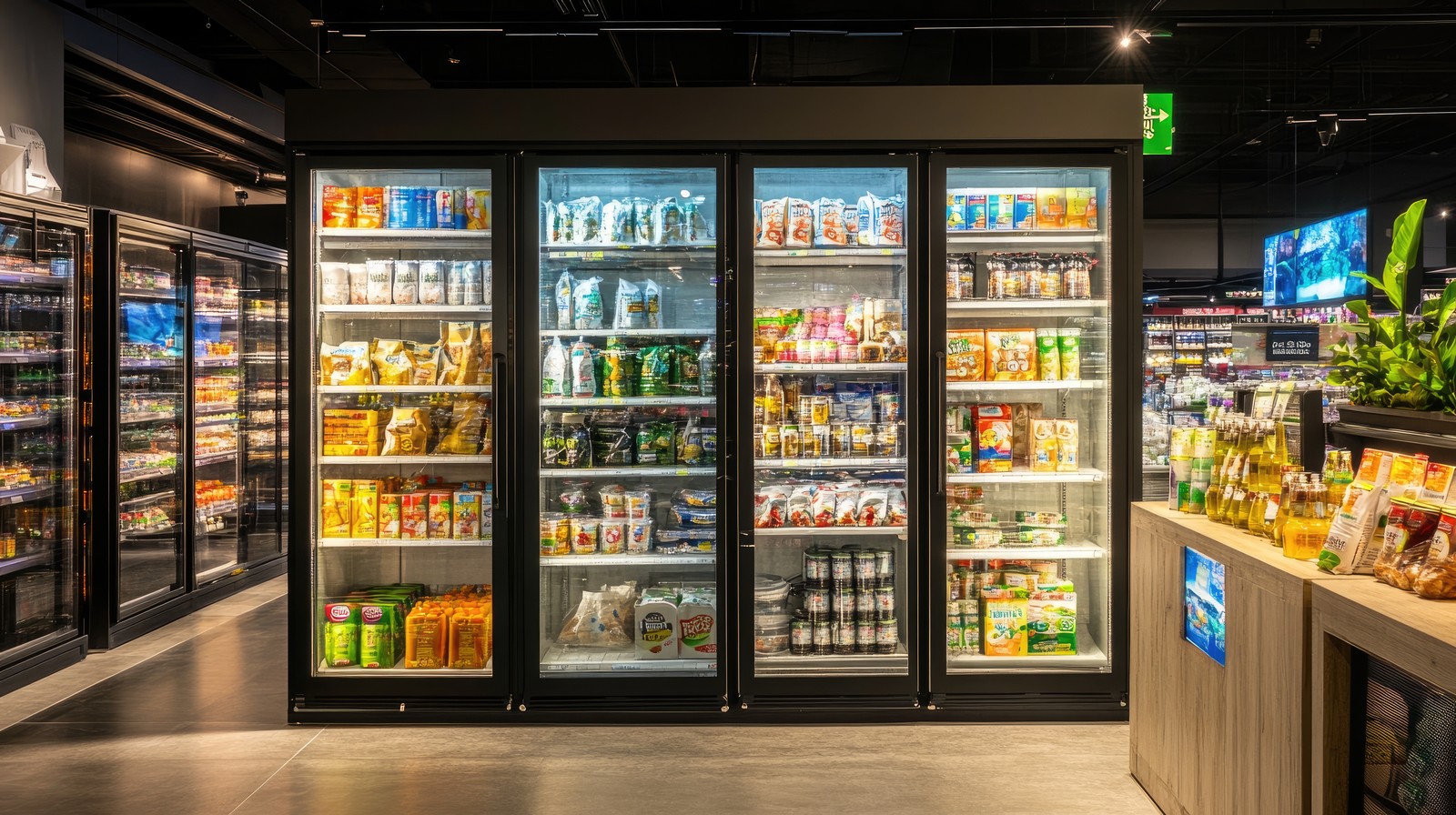
What Every Business Owner Should Know About Commercial Refrigeration Systems
Every restaurant, grocery store, and food service operation depends on dependable cold storage to protect inventory and stay compliant with health codes. A well-designed commercial refrigeration system does more than keep products cold. It protects revenue, prevents spoilage, and keeps daily operations moving without interruption. We work with business owners across New Hampshire and NorthernContinue reading "What Every Business Owner Should Know About Commercial Refrigeration Systems"
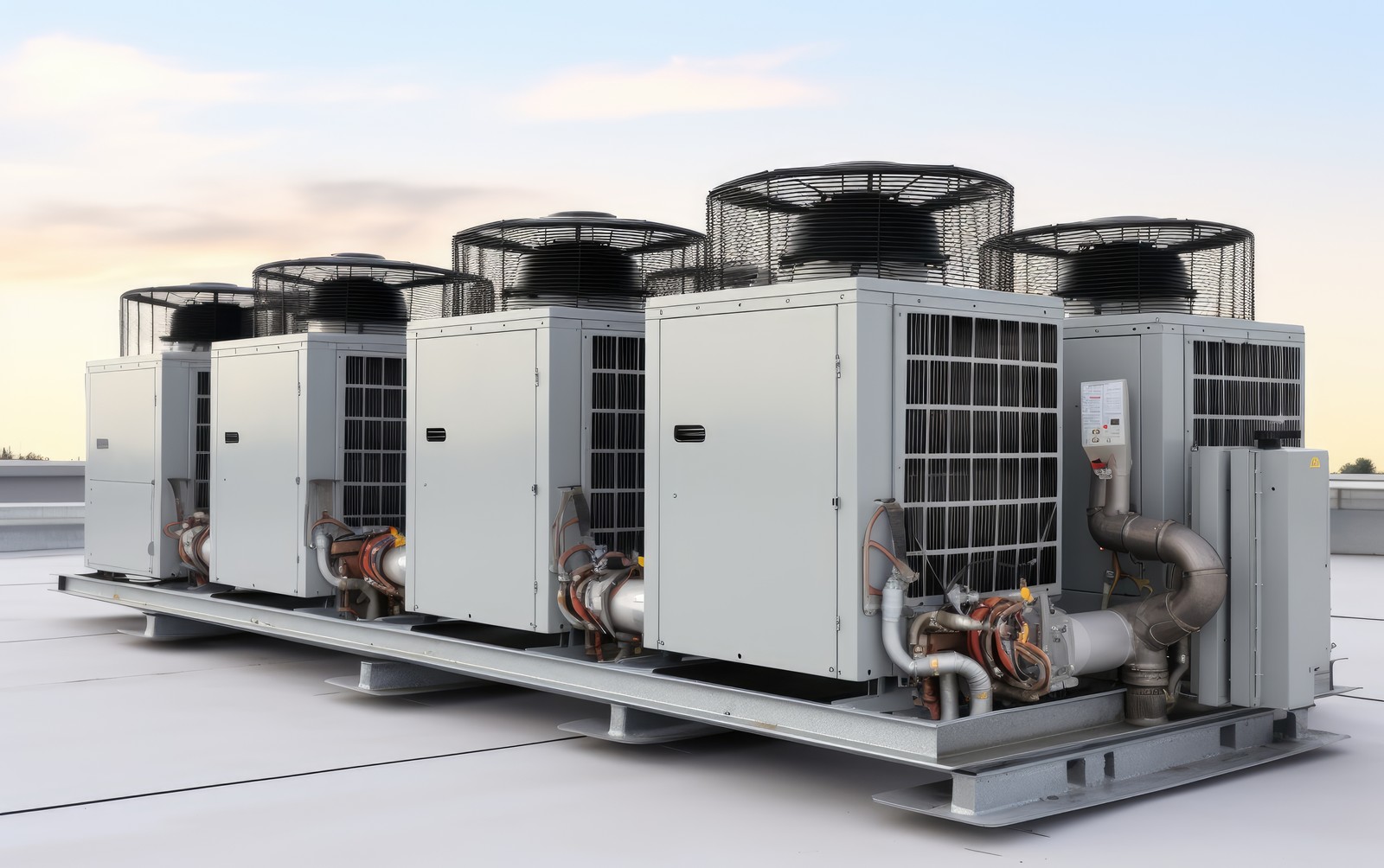
How To Calculate The Cost Of Your Commercial HVAC Unit
Budgeting for new equipment starts with understanding how a commercial HVAC cost calculator actually works and which factors influence the final number. Unlike a simple online tool that spits out a flat estimate, real commercial HVAC pricing depends on building size, equipment type, installation complexity, and local code requirements. We help business owners across NewContinue reading "How To Calculate The Cost Of Your Commercial HVAC Unit"
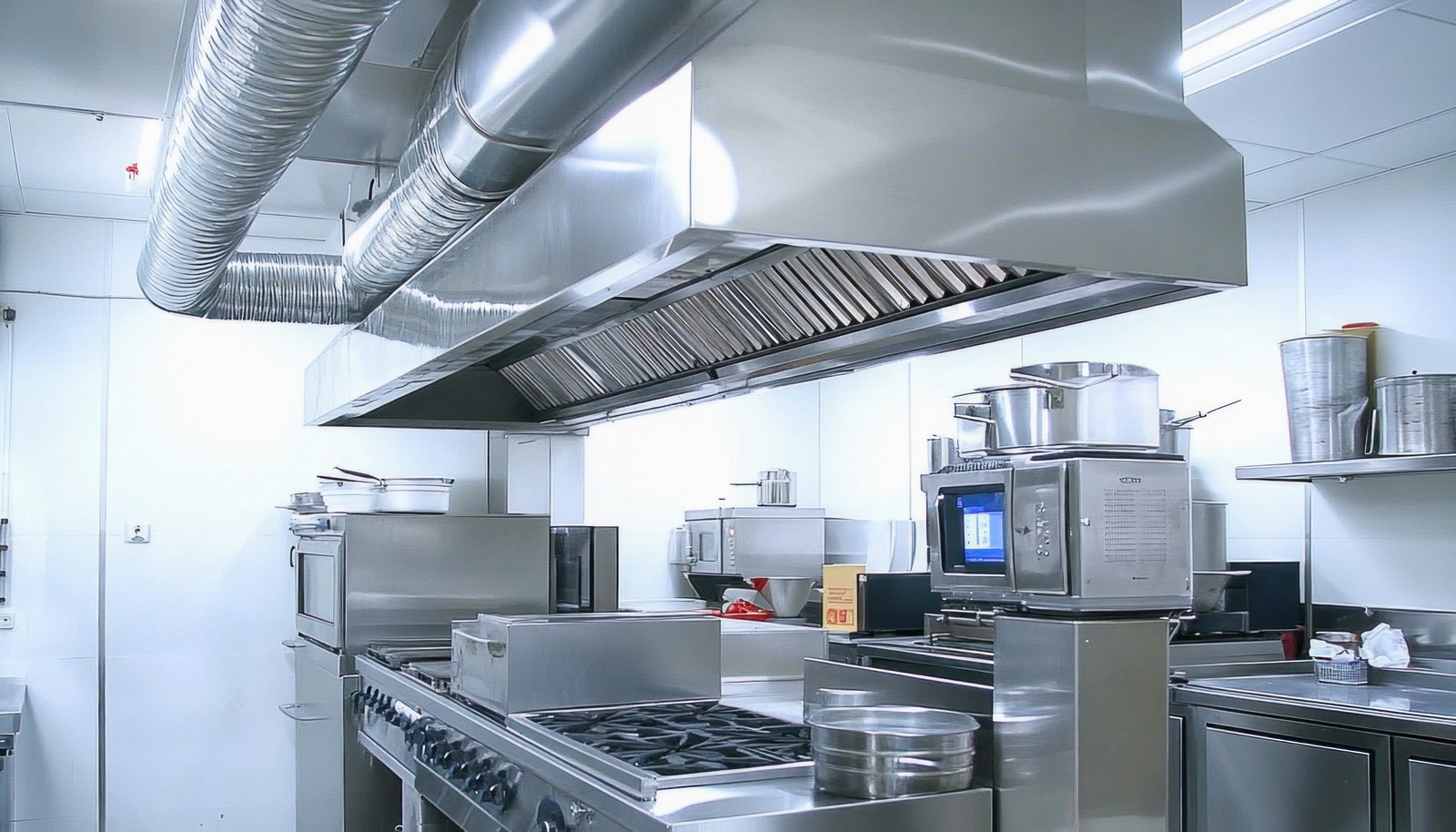
Guidelines For Designing An Efficient Commercial Kitchen HVAC System
A well-planned commercial kitchen HVAC design keeps staff comfortable, protects food safety, and prevents the heat, grease, and moisture generated during service from overwhelming a building’s air systems. Commercial kitchens present some of the most demanding HVAC challenges in any facility, combining high heat output, constant humidity, and strict ventilation codes that residential and evenContinue reading "Guidelines For Designing An Efficient Commercial Kitchen HVAC System"