7 Types Of Commercial Refrigerators For Restaurants That Improve Efficiency
7 Types Of Commercial Refrigerators For Restaurants That Improve Efficiency
Choosing the right commercial refrigerator for restaurant use can directly affect food safety, staff efficiency, and monthly energy costs. With so many configurations available, from reach-in units to specialty prep tables, it can be difficult to know which equipment fits your kitchen’s workflow.
We help restaurant owners across New Hampshire and Northern Massachusetts select and maintain refrigeration equipment built for the demands of a commercial kitchen.
Below, we walk through seven types of units worth considering and the role each one plays in a well-organized, efficient kitchen.
1. Reach-In Refrigerators
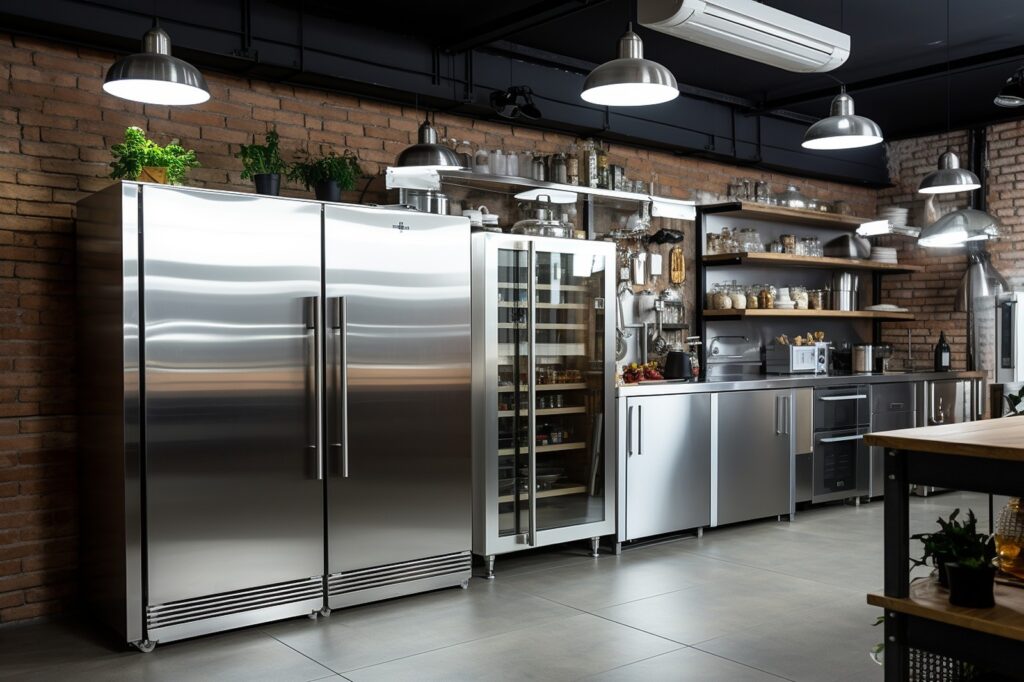
Reach-in refrigerators are the workhorse of most commercial kitchens, offering quick access to frequently used ingredients without leaving the cook line. These units come in one, two, or three-door configurations, allowing kitchens of any size to match storage capacity to their menu. Reach-ins are opened constantly during service, so look for models with strong door seals and efficient compressors to control energy use.
For many restaurants, a reliable reach-in unit is the foundation of a functional commercial restaurant fridge setup.
2. Walk-In Coolers
Walk-in coolers give restaurants the bulk storage capacity needed for deliveries, prep work, and high-volume menus. These units are custom-built to fit available kitchen space and can be configured with shelving systems designed for specific product categories.
A well-maintained walk-in cooler, supported by routine preventative maintenance, reduces spoilage and keeps large quantities of perishable inventory at a safe, even temperature throughout the day.
Walk-ins run continuously, so proper insulation and door integrity matter just as much as the refrigeration unit itself.
3. Undercounter Refrigerators
Undercounter refrigerators fit beneath prep stations and cook lines, putting frequently used ingredients within arm’s reach without taking up valuable floor space. These compact units are popular in tight kitchens where every square foot counts, and they pair well with prep tables for a streamlined workflow.
Many restaurants use undercounter units alongside larger reach-ins to keep high-turnover items close to where staff needs them most, supporting faster service during busy hours.
4. Prep Tables With Refrigerated Rails
Prep tables with refrigerated rails combine workspace and cold storage in a single unit, keeping ingredients like toppings, sauces, and garnishes chilled and organized during service. These units are especially valuable in pizza shops, sandwich counters, and salad stations where speed and consistency matter.
Choosing the best refrigerator for restaurant prep stations depends on the volume of ingredients used and the layout of the cook line.
5. Display Refrigerators
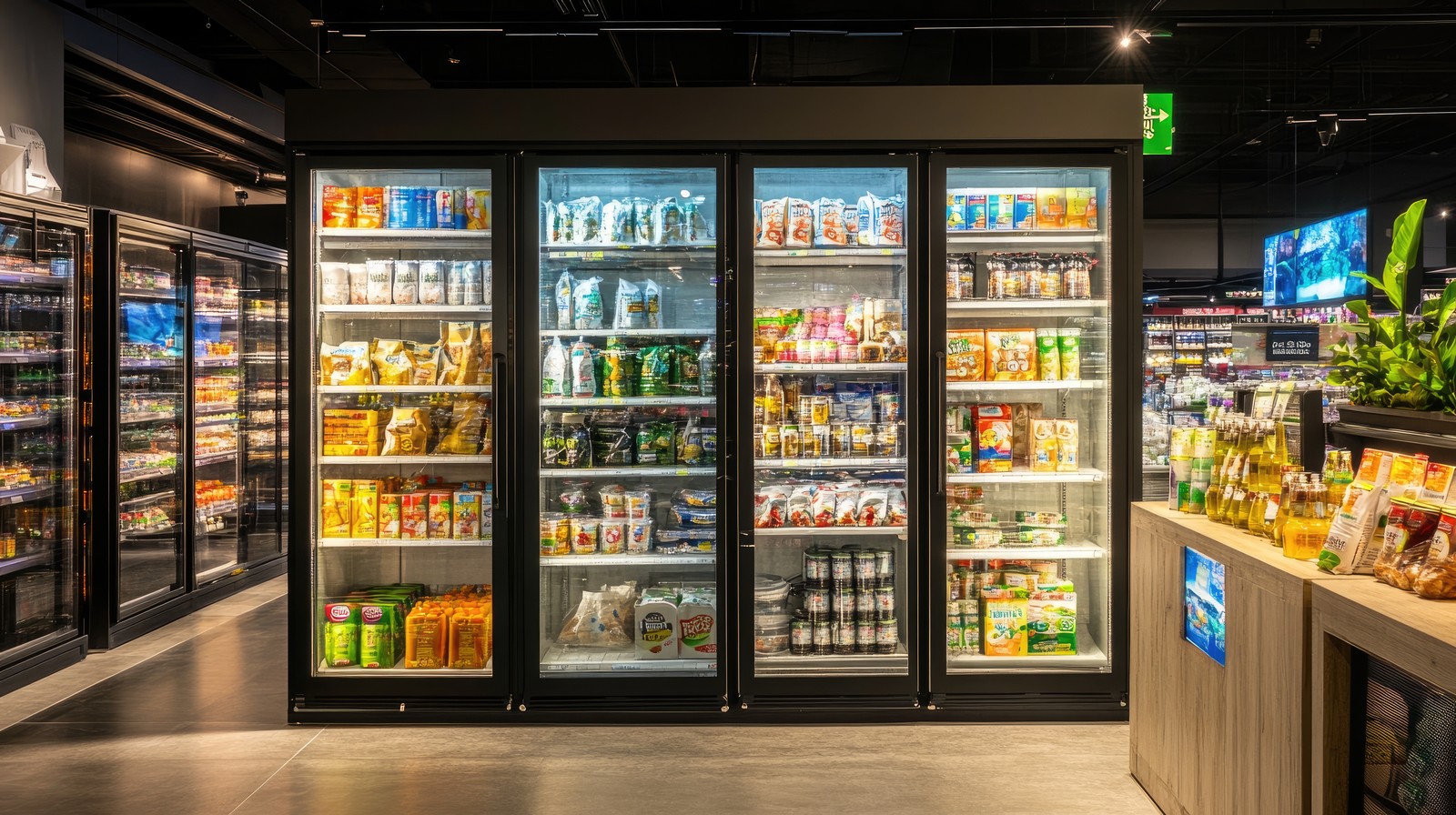
Display refrigerators are designed for front-of-house use, showcasing beverages, desserts, or grab-and-go items while keeping them at a safe temperature.
Glass doors allow customers to see available products, which can boost impulse purchases in cafes, bakeries, and quick-service restaurants.
These units require careful placement, since foot traffic, lighting, and ambient kitchen heat can all affect how hard the compressor has to work.
6. Blast Chillers
Blast chillers rapidly cool cooked food to safe holding temperatures, reducing the time food spends in the danger zone where bacteria grow quickly.
This equipment is especially valuable for restaurants that batch-cook or prepare food in advance for catering and high-volume service. Fast, even cooling also helps preserve texture and flavor better than standard refrigeration alone.
7. Specialty Refrigeration for Beverage and Bar Programs
Bars and beverage-focused restaurants often need dedicated refrigeration for kegs, wine, and bottled beverages, each with slightly different temperature and humidity requirements. Specialty units built for these purposes protect product quality and help staff manage inventory more efficiently during busy service.
Investing in the right commercial refrigeration services partner ensures every piece of specialty equipment is installed and maintained correctly.
Selecting the right commercial refrigerator for restaurant use depends on your menu, kitchen layout, and daily volume. Accurate Air works with restaurant owners to design, install, and maintain systems that keep food safe and operations efficient. Our technicians bring factory training and decades of hands-on experience to every project, so your kitchen gets equipment built to perform.
Contact Accurate Air today for a free estimate on refrigeration installation and service built around your restaurant’s specific needs.
FAQs
What is the most versatile refrigeration unit for a restaurant kitchen?
Reach-in refrigerators are typically the most versatile option, offering quick access to ingredients during service while fitting a range of kitchen sizes and layouts.
How do I choose the best refrigerator for restaurant use?
Consider your menu, kitchen layout, and daily volume. High-turnover kitchens often benefit from a mix of reach-ins, undercounter units, and prep tables with refrigerated rails.
Do blast chillers replace standard refrigeration?
No, blast chillers work alongside standard refrigeration by rapidly cooling cooked food before it moves into long-term cold storage, reducing food safety risk.
How often should restaurant refrigeration equipment be serviced?
Most commercial kitchens benefit from professional service at least twice a year, though high-volume restaurants may need quarterly inspections to prevent unexpected breakdowns.
What Every Business Owner Should Know About Commercial Refrigeration Systems
Every restaurant, grocery store, and food service operation depends on dependable cold storage to protect inventory and stay compliant with health codes. A well-designed commercial refrigeration system does more than keep products cold. It protects revenue, prevents spoilage, and keeps daily operations moving without interruption. We work with business owners across New Hampshire and NorthernContinue reading "What Every Business Owner Should Know About Commercial Refrigeration Systems"
How To Calculate The Cost Of Your Commercial HVAC Unit
Budgeting for new equipment starts with understanding how a commercial HVAC cost calculator actually works and which factors influence the final number. Unlike a simple online tool that spits out a flat estimate, real commercial HVAC pricing depends on building size, equipment type, installation complexity, and local code requirements. We help business owners across NewContinue reading "How To Calculate The Cost Of Your Commercial HVAC Unit"
Guidelines For Designing An Efficient Commercial Kitchen HVAC System
A well-planned commercial kitchen HVAC design keeps staff comfortable, protects food safety, and prevents the heat, grease, and moisture generated during service from overwhelming a building’s air systems. Commercial kitchens present some of the most demanding HVAC challenges in any facility, combining high heat output, constant humidity, and strict ventilation codes that residential and evenContinue reading "Guidelines For Designing An Efficient Commercial Kitchen HVAC System"