What Every Business Owner Should Know About Commercial Refrigeration Systems
What Every Business Owner Should Know About Commercial Refrigeration Systems
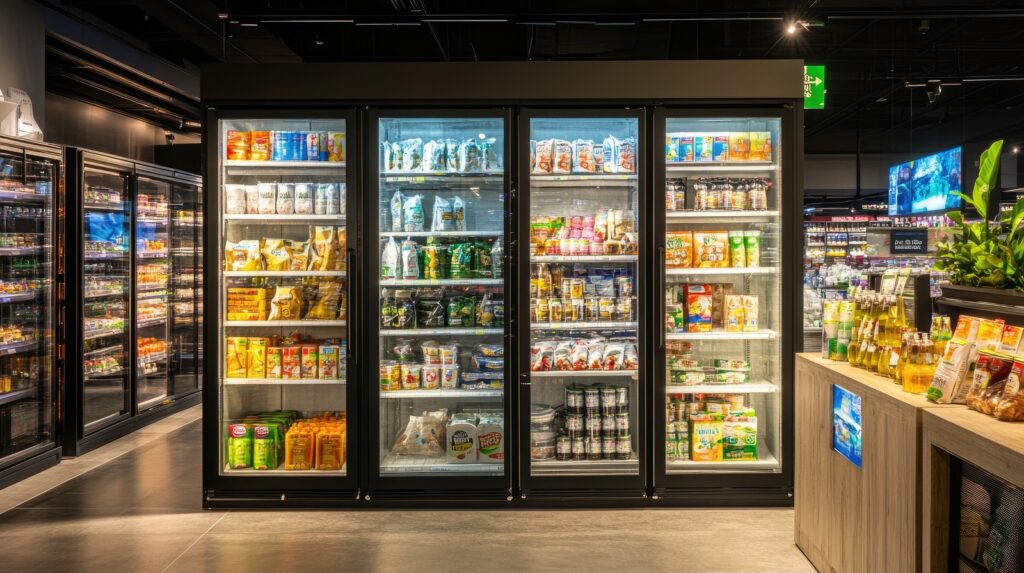
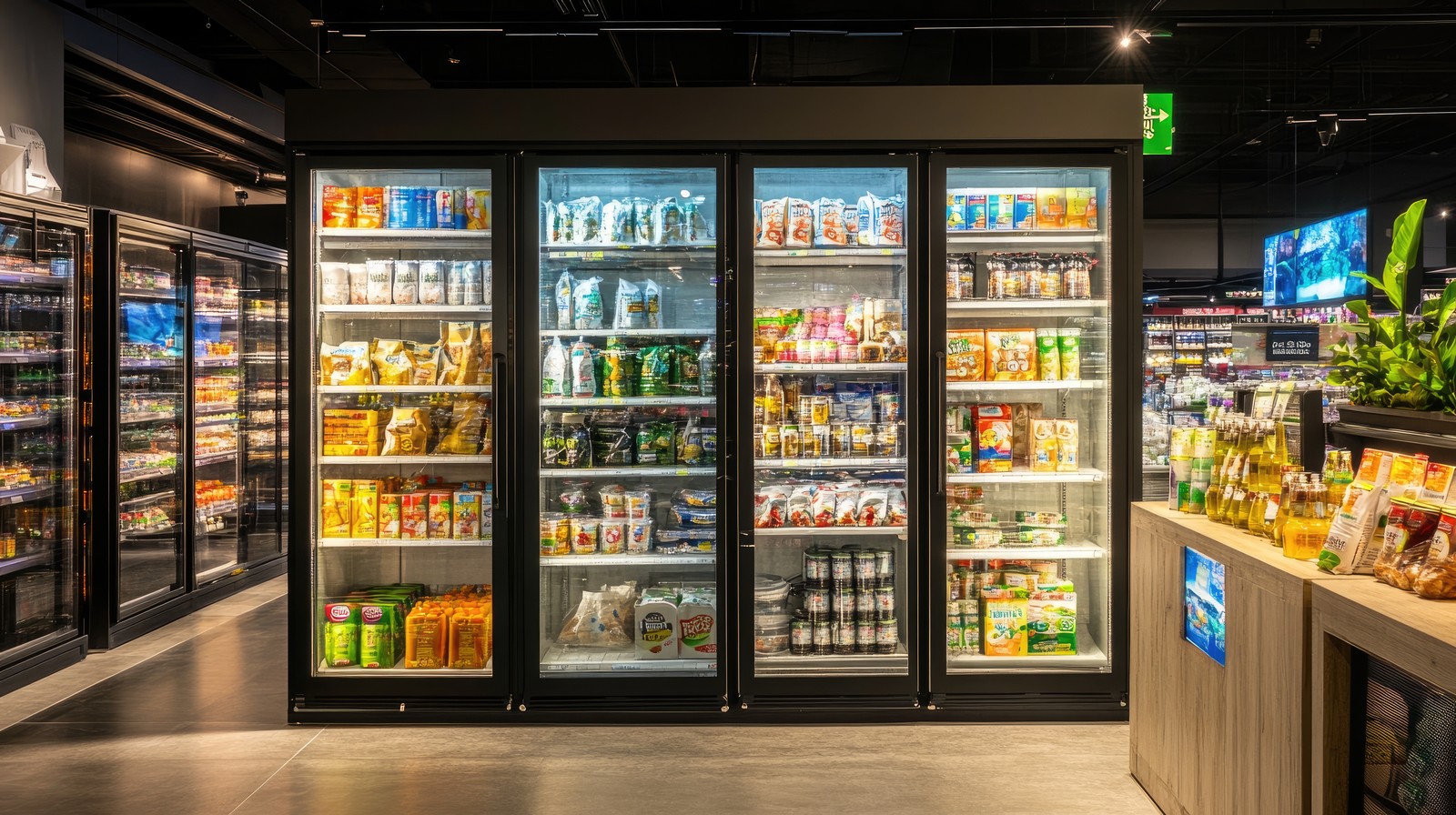
Every restaurant, grocery store, and food service operation depends on dependable cold storage to protect inventory and stay compliant with health codes. A well-designed commercial refrigeration system does more than keep products cold. It protects revenue, prevents spoilage, and keeps daily operations moving without interruption.
We work with business owners across New Hampshire and Northern Massachusetts who want to understand how these systems function before investing in new equipment or a service agreement.
Below, we break down what matters most, from equipment types to the signs that a system needs attention.
Understanding How Commercial Refrigeration Systems Work
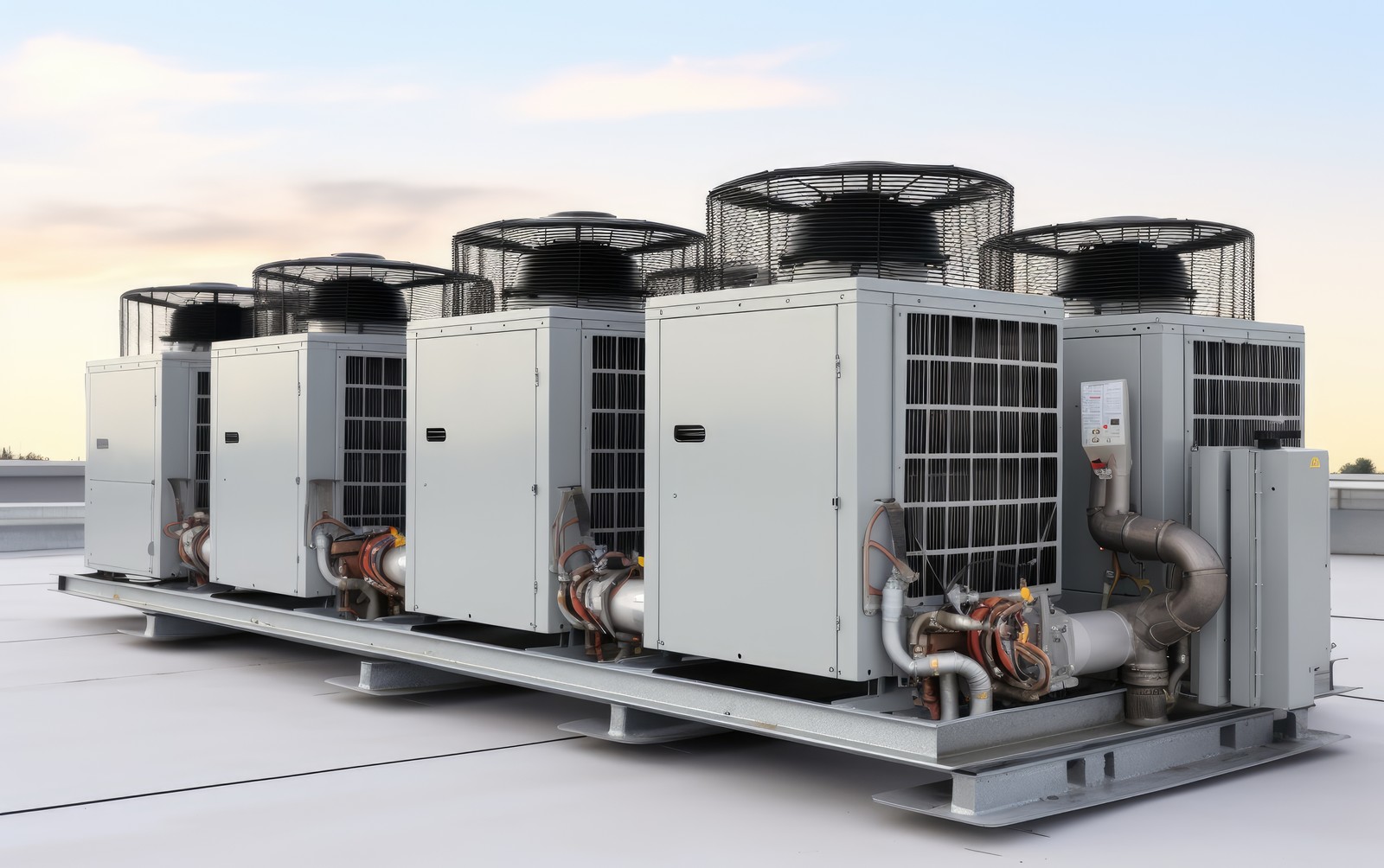
Commercial refrigeration systems remove heat from an enclosed space and transfer it elsewhere, keeping food, beverages, and other perishable products at a safe, consistent temperature. Unlike a home refrigerator, commercial units are built to handle higher volumes, frequent door openings, and continuous operation around the clock. Most systems rely on a compressor, condenser, evaporator, and refrigerant line working together to move heat out of the storage space.
Some businesses use walk-in coolers and freezers, while others depend on reach-in units, display cases, or specialty equipment built for a specific product line. Understanding the working parts of your system helps you spot early warning signs of trouble, such as inconsistent temperatures, unusual noises, or a spike in energy use.
Business owners who understand these basics are better positioned to make informed decisions about repairs, upgrades, and long-term equipment planning.
Choosing Between Commercial Refrigeration for Sale and Leasing Options
When it comes time to add or replace equipment, many businesses weigh the benefits of purchasing commercial refrigeration for sale against leasing or financing a system. Our team installs and services the equipment once that decision is made, whichever route you take. Buying outright gives you full ownership and can be more cost-effective over the equipment’s lifespan, particularly for businesses planning to stay in one location for years.
Leasing can reduce upfront costs and may include service coverage, which appeals to newer businesses managing tighter budgets. Whichever route you choose, working with a knowledgeable commercial refrigeration service partner matters just as much as the equipment itself.
A commercial refrigeration system represents a significant investment, and neglecting routine maintenance is one of the fastest ways to shorten its lifespan. Dirty condenser coils, worn gaskets, and low refrigerant levels force a system to work harder, driving up energy costs and increasing the risk of a sudden breakdown.
Scheduled inspections catch these issues early, often before they affect product safety or daily operations. Our preventative maintenance programs are built specifically for commercial facilities that cannot afford downtime, covering everything from coil cleaning to refrigerant checks and electrical inspections.
Selecting the Right Commercial Refrigeration Services Partner
Not every HVAC contractor has the training or experience to handle commercial refrigeration services correctly. Look for a provider with factory-trained technicians, proper licensing, bonding, and insurance, along with a track record of working on systems similar to yours. Ask about response times for emergency calls, since a failed system can put an entire day’s inventory at risk within hours.
Our technicians bring more than three decades of hands-on experience to every service call, and our team is available for 24/7 emergency service when something goes wrong outside normal business hours. A responsive, experienced partner reduces the stress that comes with equipment problems and keeps your business protected.
Common Warning Signs You Should Never Ignore
Certain warning signs deserve immediate attention rather than a wait-and-see approach. Inconsistent temperatures inside a walk-in cooler, visible frost buildup, water pooling near the unit, or a compressor that runs constantly without cycling off are all signs of a developing problem. Unusual odors near refrigeration equipment can indicate a refrigerant leak, which poses both a safety concern and a compliance issue for food service businesses.
Noticing any of these symptoms is worth acting on, and our team can walk you through the differences that separate refrigeration from standard air conditioning and pinpoint exactly what your system needs. Catching problems early almost always costs less than waiting for a full system failure.
Accurate Air has spent more than 30 years helping businesses across New Hampshire and Northern Massachusetts keep their refrigeration systems running efficiently.
Contact us today for a free estimate and let our team help you plan your next refrigeration project with confidence.
FAQs
How long do commercial refrigeration systems last?
Most commercial refrigeration systems last between 10 and 15 years with consistent maintenance, though usage patterns, product type, and facility conditions can shorten or extend that range.
What is the difference between commercial refrigeration for sale and leased equipment?
Purchased equipment gives you full ownership and can be more economical long term, while leased equipment often includes lower upfront costs and bundled service coverage, which suits some newer businesses.
How often should a commercial refrigeration system be serviced?
Most systems benefit from professional inspection at least twice a year, though high-volume facilities like restaurants and grocery stores may need quarterly service to stay ahead of wear.
What Every Business Owner Should Know About Commercial Refrigeration Systems
Every restaurant, grocery store, and food service operation depends on dependable cold storage to protect inventory and stay compliant with health codes. A well-designed commercial refrigeration system does more than keep products cold. It protects revenue, prevents spoilage, and keeps daily operations moving without interruption. We work with business owners across New Hampshire and NorthernContinue reading "What Every Business Owner Should Know About Commercial Refrigeration Systems"
How To Calculate The Cost Of Your Commercial HVAC Unit
Budgeting for new equipment starts with understanding how a commercial HVAC cost calculator actually works and which factors influence the final number. Unlike a simple online tool that spits out a flat estimate, real commercial HVAC pricing depends on building size, equipment type, installation complexity, and local code requirements. We help business owners across NewContinue reading "How To Calculate The Cost Of Your Commercial HVAC Unit"
Guidelines For Designing An Efficient Commercial Kitchen HVAC System
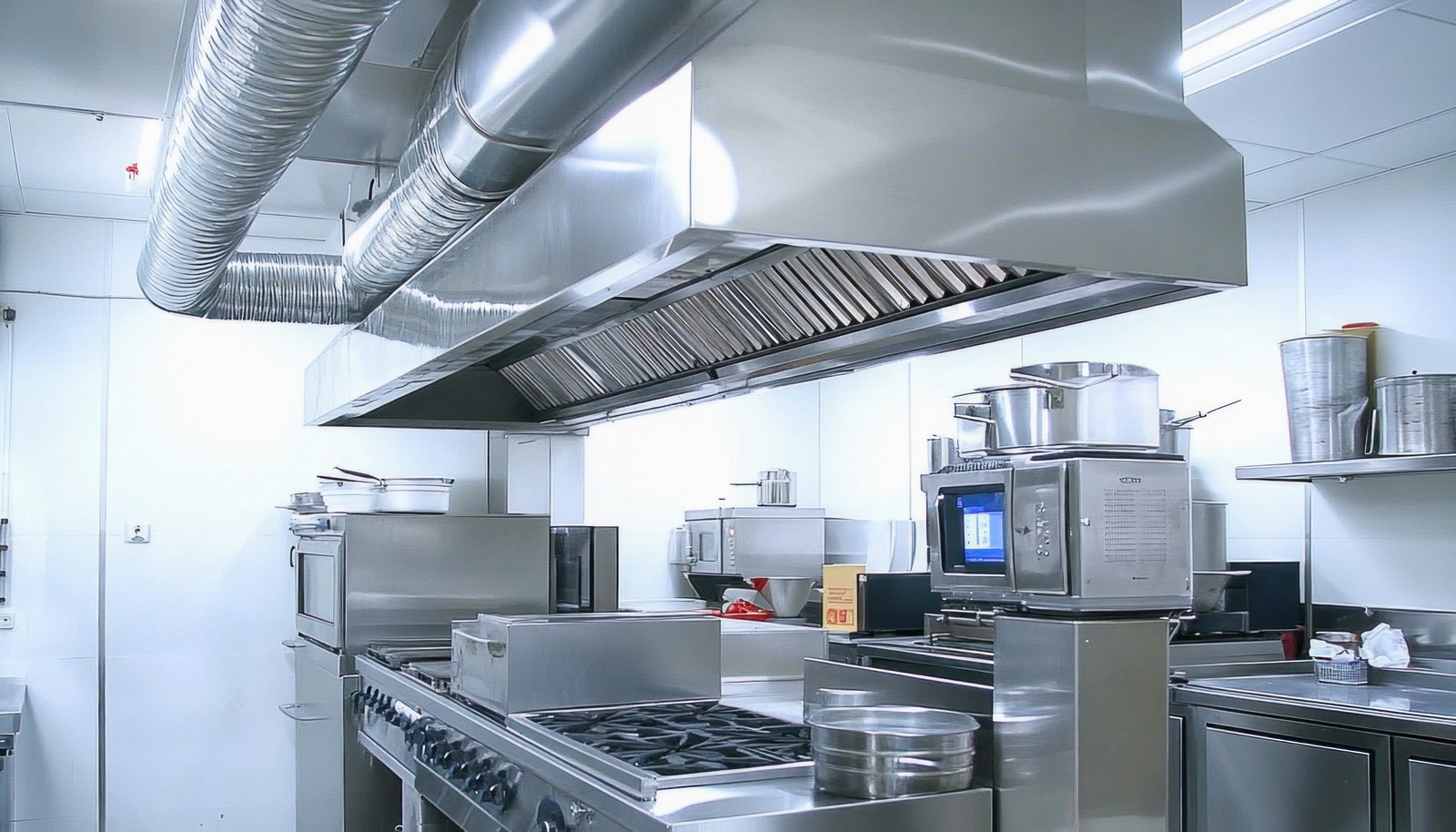
A well-planned commercial kitchen HVAC design keeps staff comfortable, protects food safety, and prevents the heat, grease, and moisture generated during service from overwhelming a building’s air systems. Commercial kitchens present some of the most demanding HVAC challenges in any facility, combining high heat output, constant humidity, and strict ventilation codes that residential and evenContinue reading "Guidelines For Designing An Efficient Commercial Kitchen HVAC System"